
What Is a German Traditional Outfit?
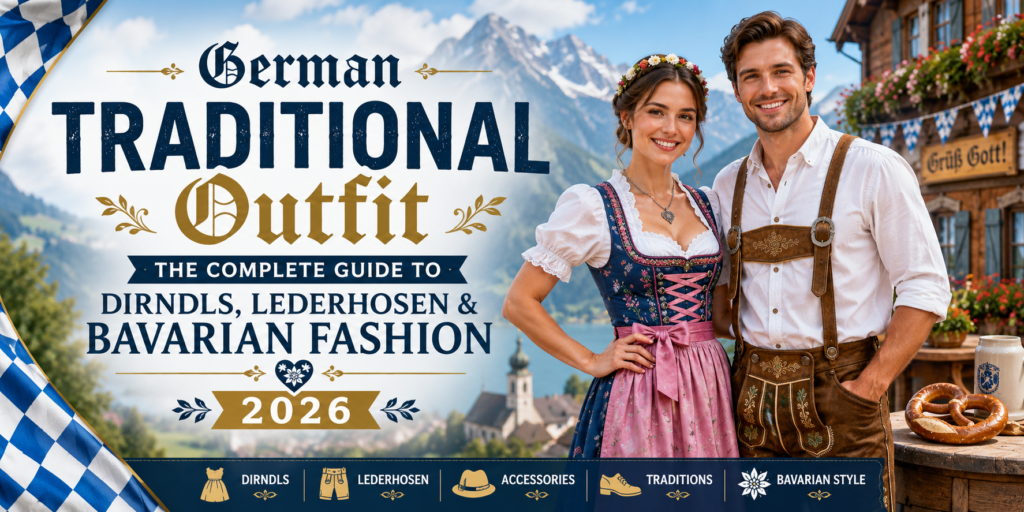
If you’ve ever watched the famous Oktoberfest celebrations in Munich, you already have a vivid picture in your mind — women in beautiful floral dresses with fitted bodices and men in short leather pants with suspenders. That, in a nutshell, is what a German traditional outfit looks like.
But there’s so much more to it than a costume for a beer festival.
German traditional clothing — known as Tracht in German — is a deeply rooted cultural expression that spans centuries. It reflects the region, social status, and even the season. Every stitch, color, and embroidered motif tells a story. Whether you’re attending Oktoberfest, a Bavarian wedding, a folk festival, or simply want to embrace Alpine fashion in your daily wardrobe, understanding this clothing tradition helps you dress with authenticity and confidence.
At its core, a German traditional outfit for women centers around the iconic dirndl dress, while men traditionally wear lederhosen. Both garments have evolved beautifully over the years — staying true to their roots while adapting to modern tastes and global fashion trends.
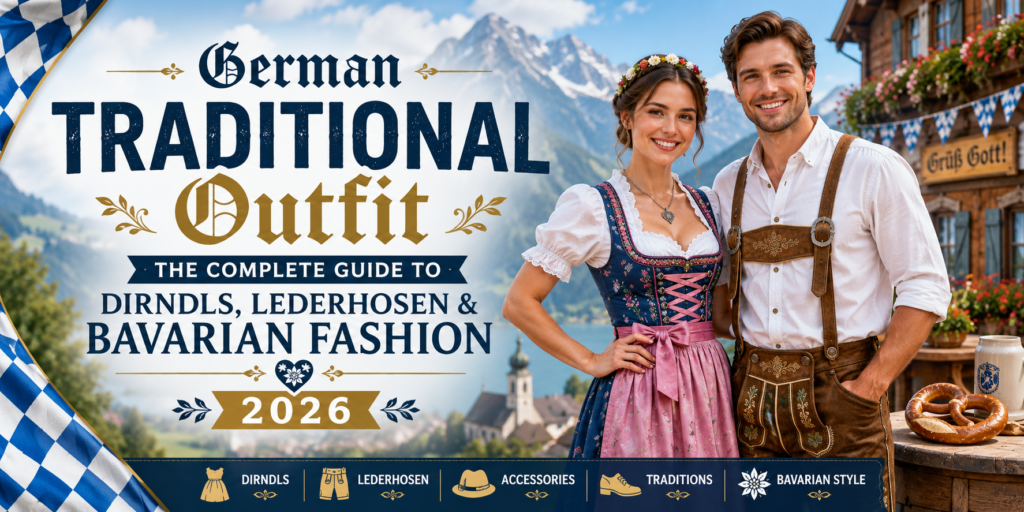
Quick Answer for Voice Search & Featured Snippets: A German traditional outfit typically consists of a dirndl dress (for women) or lederhosen (for men), both originating from Bavaria and Austria. Women wear a fitted bodice, full skirt, blouse, and apron, while men wear leather shorts with suspenders, a shirt, and knee-high socks. These outfits are most famously worn during Oktoberfest.
The History Behind German Folk Costumes
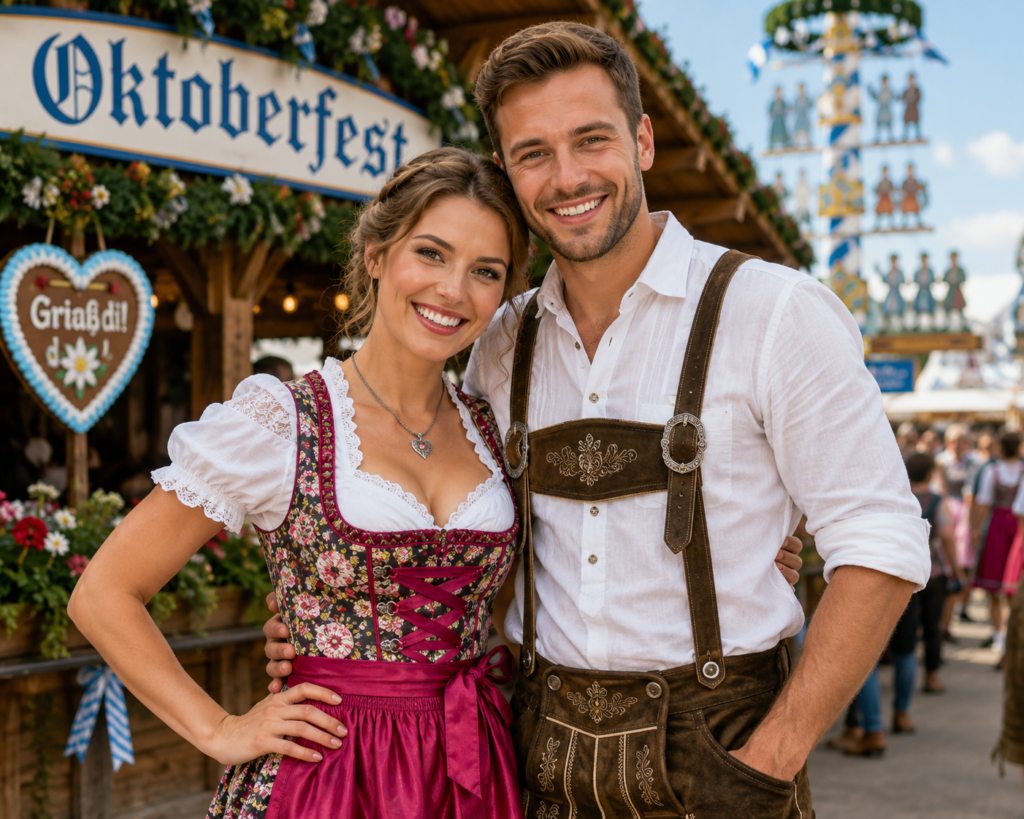
The roots of German traditional fashion go back to the 18th century, when Alpine farmers and working-class communities wore practical, durable clothing suited to mountain life.
Lederhosen, literally meaning “leather trousers,” were the everyday work pants of Bavarian peasants. Made from sturdy chamois or deer leather, they were built to last through years of hard outdoor labor.
Dirndls, on the other hand, were the uniforms worn by female domestic servants and alpine milkmaids. Simple, practical, and modest — that was the original design intention.
By the 19th century, the Bavarian Romantic movement transformed these humble garments into symbols of regional pride and national identity. The aristocracy embraced Tracht as a way to celebrate their cultural heritage. Even King Ludwig II of Bavaria was known to wear traditional clothing.
Fast forward to today, and German traditional outfits have achieved global fame — not just at Oktoberfest, but on international fashion runways and in everyday wardrobes across Europe, the Americas, and beyond. Premium brands now craft dirndls from luxury velvet, fine cotton, and hand-embroidered fabrics. Lederhosen are tanned using traditional methods passed down through generations.
The garments have never lost their soul, even as they’ve gained a worldwide following.
Dirndl: The Heart of Women’s Bavarian Fashion
When most people think of a German traditional dress for women, the dirndl is what comes to mind. And for good reason — it’s one of the most flattering, versatile, and culturally rich garments in the world.
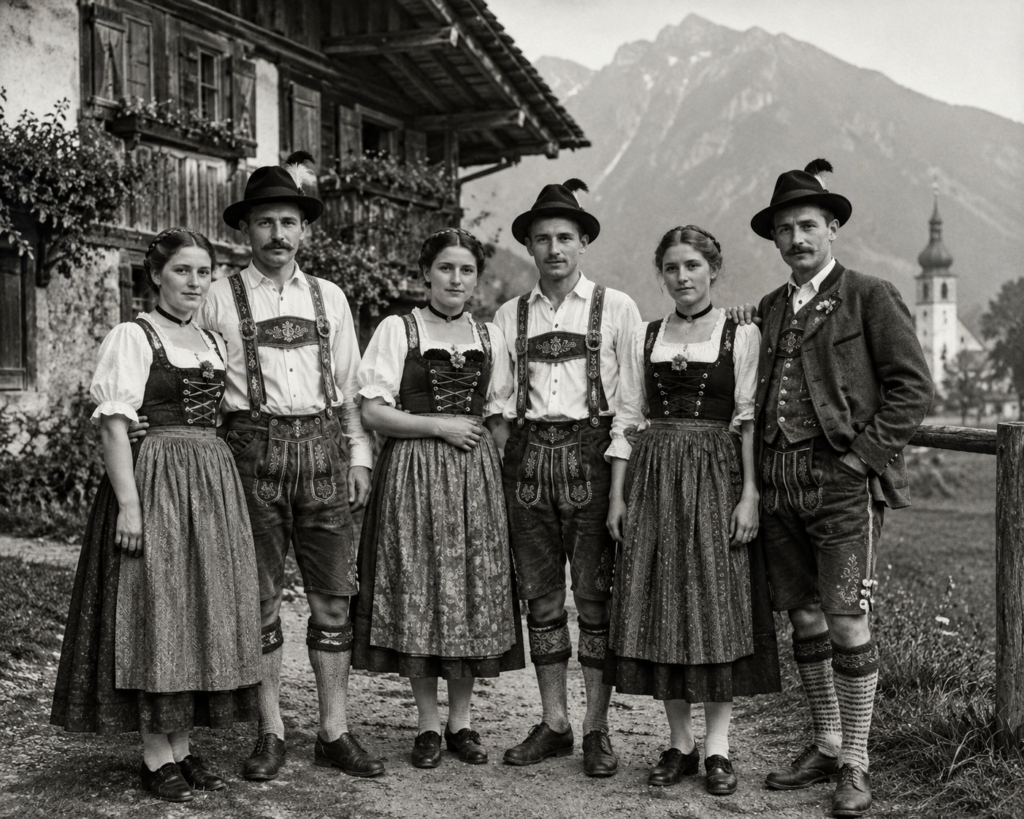
A classic dirndl consists of four main components:
- The Bodice (Mieder): A fitted, structured top that flatters every body type
- The Blouse (Dirndlbluse): Worn under the bodice — traditionally white with puff sleeves
- The Skirt (Rock): A full, gathered skirt that flows beautifully when you walk
- The Apron (Schürze): The finishing touch that completes the traditional look
Each of these pieces can be mixed, matched, and customized to create your own unique interpretation of Bavarian fashion.
Types of Dirndl Dresses
Not all dirndls are the same. The style, length, and fabric vary depending on the occasion, your personal taste, and the region you’re celebrating. Here’s a breakdown of the most popular types:
1. Mini Dirndl The Mini Dirndl is the flirty, modern take on traditional Bavarian fashion. With a hemline that sits above the knee, it’s perfect for those who want to stay playful while honoring tradition. It’s a top choice for younger women at Oktoberfest and summer folk festivals.
2. Midi Dirndl The Midi Dirndl hits right at or just below the knee — a classic length that’s universally flattering and elegantly balanced between fun and formal. It works beautifully for both outdoor festivals and indoor events like Bavarian dinners or themed parties.
3. Long Maxi Dirndl For a dramatic, regal look, the Long Maxi Dirndl is unbeatable. This floor-length style is often chosen for weddings, formal Bavarian celebrations, and festive occasions where you want to make a lasting impression.
4. Velvet Dirndl The Velvet Dirndl is the luxury choice. Deep jewel tones — emerald green, midnight blue, burgundy — in sumptuous velvet fabric elevate any occasion. If you’re attending a late autumn or winter festival, a velvet dirndl is the sophisticated option that photographs stunningly.
You can explore the full range of authentic styles at Dirndls Online, where each dress is crafted with premium Bavarian fabrics and traditional craftsmanship.
How to Tie the Dirndl Bow (And What It Means)
Here’s a fun piece of German tradition most people don’t know about: the placement of your apron bow sends a social signal.
- Bow on the left side = You’re single and available
- Bow on the right side = You’re taken or married
- Bow in the center/front = You’re a virgin or a young girl
- Bow in the back = You’re widowed or working as a server
Next time you’re at Oktoberfest, take a look around. You’ll see exactly how this charming tradition plays out!

Lederhosen: The Iconic German Men’s Outfit
No guide to German traditional outfits would be complete without a deep dive into lederhosen — arguably the most recognized garment in Bavarian culture and the pride of every Oktoberfest-goer.
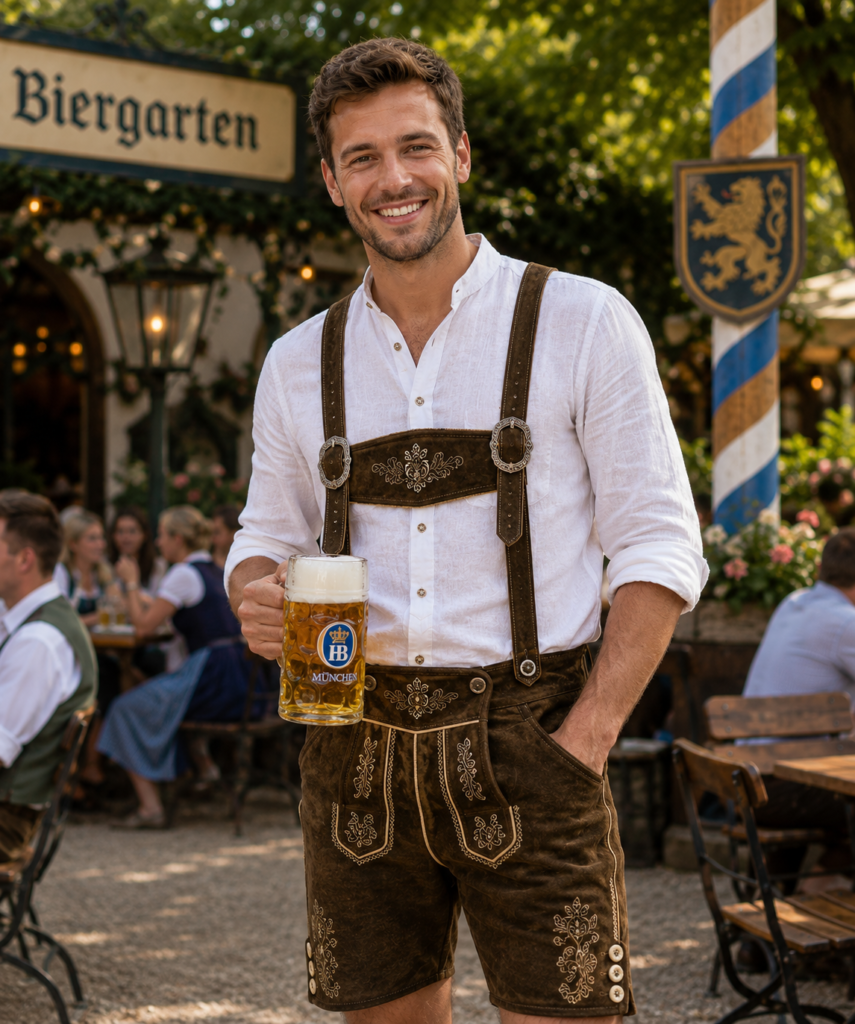
Traditional Lederhosen for Men are made from genuine leather — typically deer, goat, or cow hide — and are designed to last decades when properly cared for. In fact, a well-worn pair of lederhosen is considered more attractive in Bavarian culture because the leather develops a unique patina over time.
A complete men’s traditional German outfit includes:
- Lederhosen: Short leather pants (knee-length or longer, called Kniebundlederhosen)
- Haferlschuh: Traditional Bavarian shoes with a side lacing
- Loferl: Calf warmers worn between the shoe and below the knee
- Lederhosen Suspenders: Decorative braces that cross over the chest
- Hemd: A linen or cotton shirt — typically white or checked
- Trachtenhut: A felt Alpine hat, often decorated with a feather or pin
The level of embroidery and decorative detail on lederhosen often indicates the formality of the occasion. Simpler, plain leather suits everyday festivals, while heavily embroidered pieces are reserved for weddings and formal ceremonies.
Women’s Lederhosen: A Bold Modern Twist
In recent years, Women’s Lederhosen have surged in popularity as a stylish, empowered alternative to the traditional dirndl. These are not men’s lederhosen resized — they’re thoughtfully cut to flatter the female silhouette.
Women’s lederhosen come in:
- Short styles (above the knee) — perfect for warm Oktoberfest days
- Knee-length styles — the most traditional look
- Paired with a dirndl blouse or a fitted checkered shirt
Women who choose lederhosen often pair them with knee-high socks, Haferlschuhe, and a decorative waistcoat (Trachtenweste). The result is a confident, distinctive look that’s become a recognized part of modern Bavarian fashion culture.
Styling Tips for Your German Traditional Outfit
Whether you’re dressing for Oktoberfest, a themed party, or simply embracing Bavarian fashion, here are expert styling tips to help you look and feel your best.
For Women Wearing Dirndls:
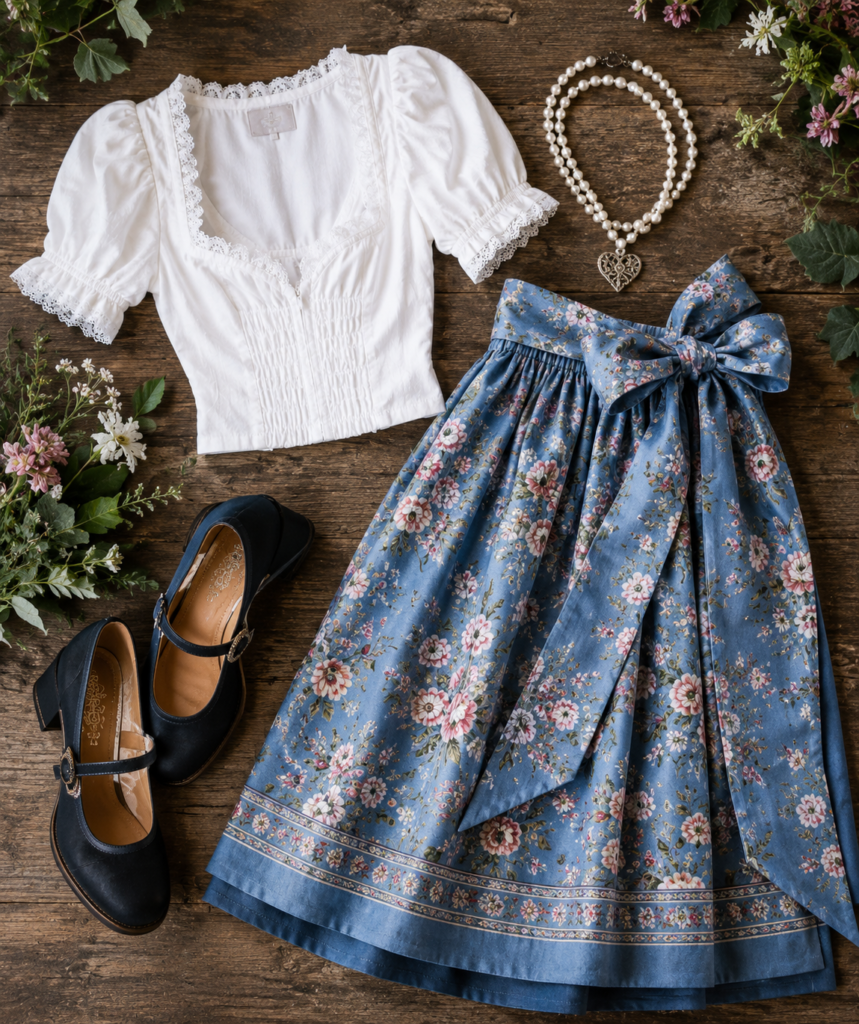
- Choose your blouse wisely. A white blouse is the most traditional, but off-white or cream blouses add warmth. Lace trim on the neckline adds a romantic touch.
- Match your apron to your personality. The apron doesn’t have to match the skirt exactly — a contrasting color or complementary print adds visual interest.
- Accessorize thoughtfully. Pearl necklaces, silver pendants, and small floral hairpieces complement the dirndl beautifully.
- Footwear matters. Mary Jane shoes, Haferlschuhe, or even simple low-heeled pumps in cognac or black look elegant with a dirndl.
- Let your hair down — literally. Soft waves, braids, or a classic updo all work wonderfully with traditional Bavarian fashion.
For Men Wearing Lederhosen:
- Invest in authentic leather. Genuine leather ages better than synthetic and develops character over time.
- Wear the right socks. Traditional grey or white Loferl (calf warmers) are essential. Knee-high woolen socks are also acceptable for cooler weather.
- The shirt sets the tone. A classic white or blue-and-white checkered Trachten shirt keeps the look authentically Bavarian.
- Don’t forget the hat. A felt Trachtenhut or traditional Alpine cap finishes the outfit perfectly.
- Shoes should be sturdy. Traditional Haferlschuhe are ideal, but clean dark leather shoes work in a pinch.
Seasonal Outfit Ideas and Color Matching Guide
German traditional outfits aren’t one-size-fits-all — the season matters more than most people realize. Here’s how to dress appropriately while staying stylish year-round.
Spring & Summer Festivals
Best picks: Mini dirndl or midi dirndl in light cotton, pastel shades, or floral prints.
- Colors: Soft blue, sage green, blush pink, white
- Fabrics: Cotton, linen, lightweight taffeta
- Accessories: Flower crowns, wicker bags, open-toe sandals
Oktoberfest (September–October)
Best picks: Midi or maxi dirndl in bold colors — this is the moment to go all out.
- Colors: Forest green, cobalt blue, deep red, royal blue
- Fabrics: Mid-weight cotton, taffeta, satin
- Accessories: Classic Trachten jewelry, leather bags, traditional shoes
- Don’t miss the Oktoberfest Outfits collection for curated festival-ready looks.
Late Autumn & Winter Events
Best picks: Velvet Dirndl or Long Maxi Dirndl in rich, jewel-toned fabrics.
- Colors: Burgundy, emerald, midnight blue, dark plum
- Fabrics: Velvet, wool blends, brocade
- Accessories: Warm stockings, fur-trimmed capes, statement earrings
Year-Round Bavarian Style
If you love Bavarian Clothing beyond the festival season, opt for subtle Tracht-inspired pieces — a Trachten jacket, embroidered cardigan, or even lederhosen shorts with a casual shirt for everyday wear.
Dirndl vs. Lederhosen: A Quick Comparison Table
| Feature | Dirndl | Lederhosen |
|---|---|---|
| Worn by | Women (primarily) | Men (primarily); women’s styles available |
| Origin | Alpine Bavaria/Austria | Alpine Bavaria |
| Key Material | Cotton, velvet, taffeta | Genuine leather |
| Length Options | Mini, Midi, Maxi | Short, Knee-length |
| Best Occasion | Oktoberfest, weddings, festivals | Oktoberfest, folk events |
| Accessories | Blouse, apron, jewelry | Shirt, suspenders, socks, hat |
| Price Range | $80–$350+ | $100–$400+ |
| Care | Machine/hand wash | Spot clean, leather care |
| Symbolism | Femininity, tradition, regional pride | Strength, craftsmanship, Bavarian heritage |
How to Choose the Right Size
Getting the right fit is everything when it comes to a traditional German outfit. A well-fitted dirndl or lederhosen looks stunning; a poorly fitted one misses the mark entirely. Here’s how to size yourself correctly.
Dirndl Sizing Tips
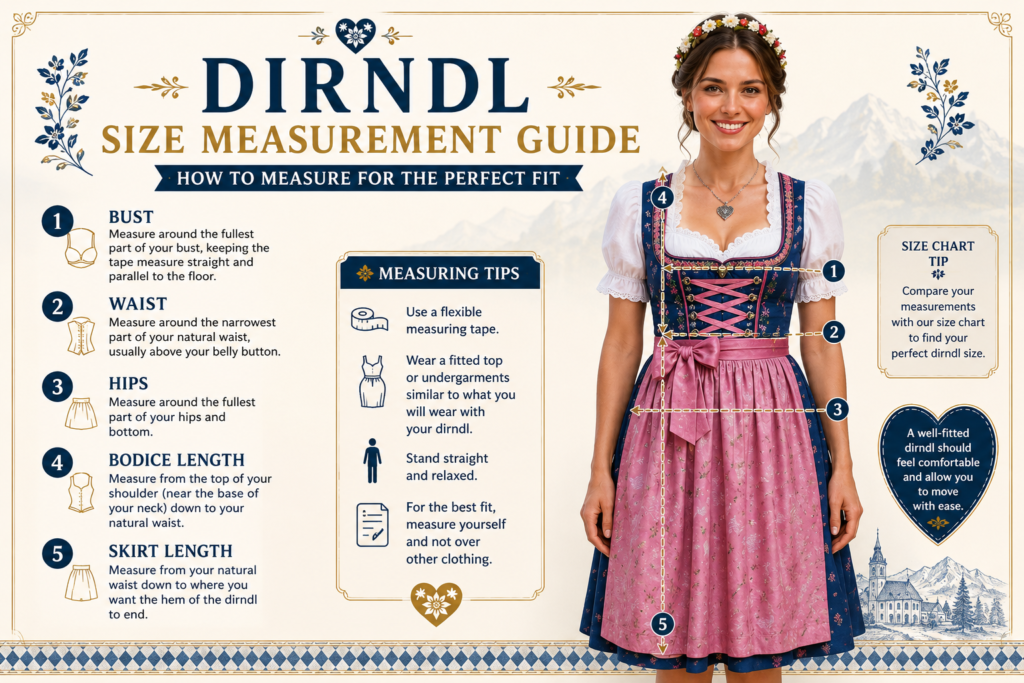
Dirndls are typically sized by European clothing sizes (32 to 54+), which differ from US or UK sizing. Most online stores, including Dirndls Online, provide a detailed size chart. Here’s what to measure:
- Bust: Measure around the fullest part of your chest, keeping the tape parallel to the floor.
- Waist: Measure your natural waist — the narrowest point of your torso.
- Hips: Measure around the fullest part of your hips, about 8 inches below your waist.
Pro tip: The bodice should fit snugly — almost like a corset — without feeling restrictive. If you’re between sizes, size up for the bodice and use the lacing to adjust the fit.
For length selection:
- Mini dirndl: Hemline 4–8 inches above the knee
- Midi dirndl: At or just below the knee
- Maxi dirndl: Mid-calf to floor-length
Lederhosen Sizing Tips
Lederhosen are typically sized by waist circumference in centimeters (46 to 62+). Leather naturally stretches over time, so it’s acceptable to buy slightly snug — they’ll conform to your shape within a few wears.
- Waist: Measure your natural waist where the waistband will sit.
- Seat: Measure around the fullest part of your rear.
- Inseam: For knee-length styles, make sure they fall just below the knee.
Pro tip: Always check the specific brand’s size guide. Sizing can vary between manufacturers, and it’s worth emailing the shop for personalized advice — something the team at Dirndls Online is happy to help with.
Where to Buy Authentic Dirndl and Lederhosen Online
Finding authentic German traditional clothing online can be challenging. The market is flooded with cheaply made replicas that use synthetic fabrics, flimsy stitching, and inaccurate designs. Here’s what to look for when shopping online — and where to find the real thing.
What Makes an Authentic German Traditional Outfit?
- Premium fabrics: Real cotton, linen, velvet, or genuine leather — not polyester blends
- Traditional craftsmanship: Proper embroidery, sturdy seams, and accurate silhouette construction
- Authentic design details: Correct bodice construction for dirndls, traditional embroidery motifs on lederhosen
- Ethical sourcing: Quality-conscious production with attention to Bavarian heritage standards
Why Shop at Dirndls Online?
Dirndlsonline.com is your one-stop destination for authentic Bavarian fashion, offering:
- A wide range of German Traditional Dresses for every occasion and body type
- Premium fabrics including velvet, cotton, and satin
- Sizes from XS to plus-size — because traditional fashion is for everyone
- Worldwide shipping so customers from the USA, UK, Australia, Canada, and beyond can access authentic Bavarian clothing
- Responsive customer service for sizing guidance and styling advice
- Seasonal collections updated to reflect the latest Oktoberfest fashion trends
Whether you’re looking for a Midi Dirndl for your first Oktoberfest experience or premium Lederhosen for Men for a themed wedding, you’ll find curated, quality options designed to make you look and feel authentically Bavarian.
Shopping Intent Tip: If you’re in a hurry, check the seasonal sale sections first — you can often find premium Oktoberfest Outfits at a significant discount when ordering outside of peak festival season.
Frequently Asked Questions
What is a German traditional outfit called?
A German traditional outfit is called Tracht (pronounced “tracht”). For women, the most iconic Tracht is the dirndl, which includes a bodice, blouse, skirt, and apron. For men, it’s the lederhosen — leather shorts worn with suspenders, a traditional shirt, and knee-high socks. Together, these garments represent the heart of Bavarian folk costume tradition.
What do Germans wear to Oktoberfest?
At Oktoberfest, women traditionally wear dirndl dresses — usually in midi or maxi length in vibrant colors like blue, green, or red. Men wear lederhosen paired with a checkered or white linen shirt, suspenders, calf socks, and a traditional Alpine hat. Wearing a German traditional outfit to Oktoberfest is more than a custom — it’s a sign of cultural respect and pride.
Is it disrespectful for non-Germans to wear a dirndl?
Not at all! Germans and Bavarians generally welcome people from all cultures wearing dirndls and lederhosen. It’s seen as a celebration of Bavarian heritage rather than cultural appropriation. The key is wearing the outfit with respect and care — choosing authentic, well-made pieces and understanding the traditions behind them.
How do I know which dirndl length to choose?
It depends on the occasion and your personal comfort:
- Mini dirndl: Fun, flirty, great for younger women or casual outdoor festivals
- Midi dirndl: The versatile choice — appropriate for most occasions
- Long maxi dirndl: Formal events, weddings, and special ceremonies
How should a dirndl fit?
The bodice should fit closely, almost like a corset, but without restricting your breathing. The blouse sleeves should be visible beneath the bodice sleeves. The apron should tie neatly at the front. If you’re unsure, always size up for the bodice — most dirndls have lacing that allows you to adjust the fit.
Can I wear a dirndl outside of Oktoberfest?
Absolutely! Dirndls are increasingly worn at themed dinner parties, destination weddings, folk festivals, and even as stylish everyday wear in parts of Europe. A simple midi or mini dirndl paired with ankle boots can make for a charming, fashion-forward outfit beyond the festival season.
How do I care for a dirndl?
Most dirndl blouses are machine washable on a gentle cycle. The bodice and skirt typically require hand washing or dry cleaning, depending on the fabric. Always check the care label. For velvet dirndls, professional dry cleaning is recommended to preserve the fabric’s luster.
Are lederhosen comfortable to wear?
Yes — especially once they’ve broken in. Genuine leather lederhosen can feel stiff at first, but they soften and mold to your body with wear. Most people find them extremely comfortable after the first couple of uses. Pair them with soft Loferl (calf warmers) and the right shoes for maximum comfort.
What is the difference between Bavarian and Austrian traditional costumes?
Both Bavarian and Austrian Tracht share the same roots and look very similar to an untrained eye. Austrian dirndls tend to be slightly more formal in cut, with longer skirts more commonly worn. Lederhosen styles can also differ in embroidery patterns and decorative stitching by region. At Dirndls Online, you’ll find styles inspired by both traditions.
Where can I buy authentic German traditional clothing with worldwide shipping?
Dirndlsonline.com offers a wide collection of authentic dirndls, lederhosen, and Bavarian accessories with worldwide shipping. From the USA to Australia, customers around the globe can shop premium German traditional outfits and receive them directly at their door.
Conclusion
A German traditional outfit is so much more than a costume. It’s a living, breathing piece of cultural history — one that connects you to centuries of Alpine tradition, craftsmanship, and community spirit.
Whether you fall in love with the elegance of a Long Maxi Dirndl, the rich luxury of a Velvet Dirndl, the bold simplicity of classic Lederhosen for Men, or the modern edge of Women’s Lederhosen — there’s a piece of Bavarian fashion that’s perfectly suited for you.
And with worldwide shipping available at Dirndlsonline.com, authentic Bavarian craftsmanship has never been more accessible — no matter where you are in the world.
Explore the full collection, find your perfect size using our guide above, and step into the rich, colorful world of German traditional fashion. Oktoberfest or not, you’ll wear it with pride.