
Oktoberfest Classic Dirndl Green Traditional: Your Complete 2026 Guide
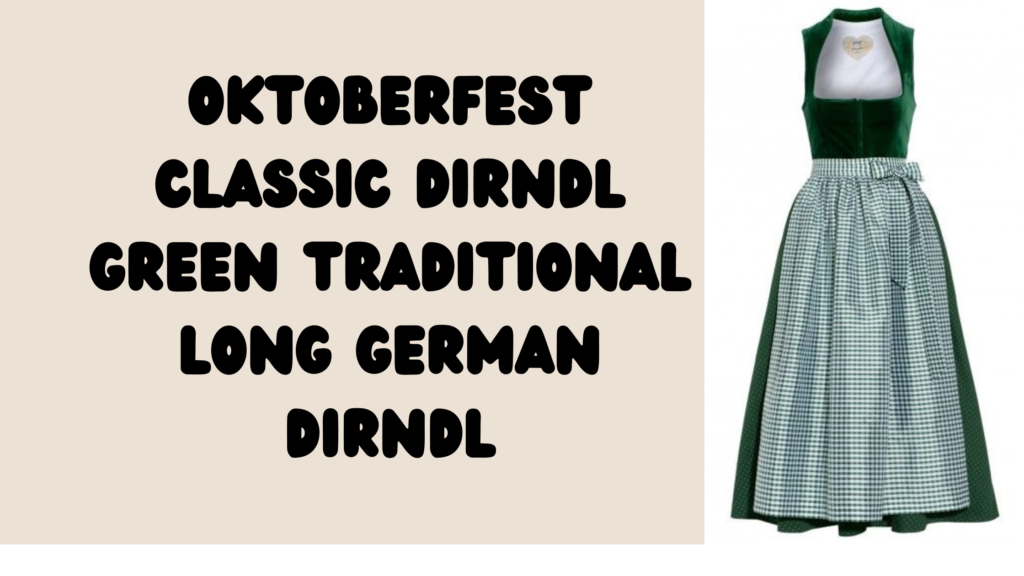
Oktoberfest 2026 runs from September 19 to October 4, and if you’re planning your outfit early (smart move), the Oktoberfest Classic Dirndl Green Traditional deserves a spot at the top of your list. Green is one of the most requested dirndl colors every single year, and it’s easy to see why: it works with almost every hair color and skin tone, it photographs beautifully in both daylight and tent lighting, and it carries genuine Bavarian roots rather than being a passing trend.
This guide walks you through everything you need to know before you buy: what makes this specific dirndl special, how to style it, how to pick the right size, and how to care for it so it lasts far beyond one festival season.
A Short History of the Dirndl
The dirndl started life as practical clothing, not festival costume. In the 19th century, women working on Alpine farms across Bavaria and Austria wore a fitted bodice, full skirt, and apron because the design was functional: the bodice supported the body during physical labor, the full skirt allowed freedom of movement, and the apron protected the skirt fabric underneath from dirt and wear.
By the late 1800s, wealthy city dwellers vacationing in the Alps began adopting the look as a romanticized symbol of rural simplicity, and the dirndl gradually shifted from workwear into festive traditional dress. It became closely associated with Oktoberfest specifically in the 20th century, as the Munich festival grew from a local celebration into an international event, and visitors began wearing dirndls and lederhosen as a way to participate in the region’s culture rather than just observe it.
Green fabric was common in these early working dirndls simply because it was practical and readily dyed using local plant-based dyes. That practical origin is part of why a green dirndl still reads as more traditional and less “costume” than louder festival colors invented purely for visual impact. When you wear the Oktoberfest Classic Dirndl Green Traditional in 2026, you’re wearing a color with roots that predate Oktoberfest tourism by decades.
Why Green Is the Signature Oktoberfest Color
Traditional dirndls draw their color palette from the Bavarian and Austrian Alps – forest green, hunter green, and deep emerald tones echo the pine forests and rolling hills of the region. Long before dirndls became festival fashion, they were everyday workwear for women in rural Alpine communities, and green fabric was practical, affordable, and closely tied to regional identity.
That history is part of why the Oktoberfest Classic Dirndl Green Traditional still feels authentic rather than costume-like. It isn’t a novelty color invented for tourists; it’s one of the oldest and most recognizable shades in dirndl history, worn at village festivals, weddings, and church celebrations for generations before Oktoberfest ever became a global phenomenon.
For 2026, expect green to remain the most popular single dirndl color at the festival grounds. It sits comfortably between the boldness of red and the softness of blue, making it a safe yet striking choice whether you’re attending your first Wiesn or your tenth.
What Makes This Dirndl a Classic
The word “classic” in the name isn’t marketing fluff – it describes a specific silhouette that has stayed consistent for decades:
- A fitted, structured bodice that nips in at the waist and supports the chest without underwire discomfort
- A full, gathered skirt that falls to knee-length or midi-length, allowing easy movement for dancing, walking, and sitting at long beer tent tables
- A coordinating apron, typically tied at the waist with a bow (traditionally, a bow on the left means you’re single; a bow on the right signals you’re taken; center-front or center-back styles are common for a more neutral look)
- A structured or puff-sleeved blouse, usually in white or cream, worn underneath the bodice
Unlike heavily embellished or costume-style dirndls sold as one-time novelty items, the classic cut is designed to look like something a real Bavarian woman would actually wear to a real festival – polished, flattering, and comfortable enough to wear for eight or nine hours straight.
Fabric and Construction: What to Look For in 2026
Oktoberfest days can swing from a cool morning to a warm, crowded tent by afternoon, so fabric choice matters more than most shoppers expect.
Cotton-blend fabrics remain the top choice for 2026 because they breathe well, hold their shape through a long day of standing and dancing, and are machine-washable or easy to spot-clean. A well-made green dirndl should feel structured at the bodice (sometimes with light boning or an interior lining) while the skirt fabric stays soft and flowing.
Look for:
- Reinforced stitching at the waist seam, where most of the day’s movement and stress concentrates
- A secure but adjustable lacing or hook-and-eye closure at the back or front of the bodice
- An apron fabric that’s lightweight enough not to bunch when tied
- Colorfast dye, so the green stays rich after washing rather than fading to a dull olive
If you’re ordering online, check the product description for fabric composition and care instructions before you buy, and compare the garment’s finished measurements (not just “size labels”) against your own body measurements.
How to Style the Green Traditional Dirndl for Oktoberfest 2026
One of the best things about a classic green dirndl is how many ways it can be styled. Here are the most popular approaches for the 2026 season:
1. The Traditional Bavarian Look
Pair the green dirndl with a white or cream puff-sleeve blouse, a coordinating apron in a lighter shade (cream, gold, or soft pink), and classic dirndl shoes with a low block heel. Add a simple gold or pearl necklace and leave hair in loose braids or a low bun – this is the look most closely associated with authentic Bavarian style.
2. The Modern Festival Look
Swap the traditional shoes for comfortable ankle boots, add a wide leather belt over the bodice for extra definition, and style hair in a half-up braid with small flower accents. This version keeps the traditional silhouette while feeling current for a 2026 festival crowd.
3. The Layered Look for Cooler Days
Since Oktoberfest 2026 spans late September into early October, mornings and evenings can be cool. A cropped cardigan, a light wool shawl, or a denim jacket worn over the shoulders (not zipped over the bodice, which flattens the silhouette) keeps you warm between tents without hiding the dirndl.
Accessory Checklist
- Dirndl blouse (white or cream, short or three-quarter sleeve)
- Apron in a contrasting or complementary color
- Comfortable low-heeled shoes (you’ll be on your feet for hours)
- A small crossbody bag or basket-style purse, since pockets are rare in traditional dirndls
- Simple jewelry – dirndls are already detailed, so understated accessories look best
Green Dirndl Shades: Which One Fits You Best
Not all “green” dirndls are the same shade, and picking the right tone can make a noticeable difference in how the dress looks against your skin tone and hair color.
- Forest or hunter green is the deepest, most traditional shade. It suits nearly every skin tone and pairs beautifully with gold, cream, or burgundy accessories. It’s also the most forgiving choice for photos in dim tent lighting.
- Emerald green is brighter and slightly cooler-toned, working especially well for those with cool or neutral undertones. It stands out more in crowd photos and pairs nicely with silver or white accents.
- Sage or olive green is softer and more muted, a popular pick for those who want the traditional silhouette without as bold a color statement. It pairs well with blush, cream, or soft gold aprons.
For Oktoberfest 2026, forest green remains the most requested shade for the classic traditional dirndl, largely because it photographs consistently well across lighting conditions and works for the widest range of wearers.
2026 Dirndl Trends Worth Knowing
While the classic silhouette isn’t going anywhere, a few style details are shaping up to be popular for the 2026 festival season:
- Longer, midi-length skirts are trending slightly more than shorter styles, offering a more elegant, traditional look while remaining comfortable for a long day on your feet.
- Contrast-stitched aprons in cream or gold thread are a small detail showing up more often, adding visual interest without changing the overall traditional silhouette.
- Adjustable back lacing is increasingly standard even on entry-level dirndls, making it easier to get a comfortable, customized fit without tailoring.
- Sustainably sourced cotton blends are appearing more frequently as shoppers pay closer attention to fabric sourcing, a trend that’s spread from everyday fashion into festival wear.
None of these trends replace the classic green traditional cut – if anything, they refine it, giving shoppers small, thoughtful upgrades within a silhouette that has stayed recognizable for generations.
Sizing Guide: Getting the Right Fit
Because the bodice is fitted, sizing is the single most important factor in how a dirndl looks and feels. Before ordering the Oktoberfest Classic Dirndl Green Traditional, take these three measurements:
- Bust – measured at the fullest part of your chest
- Waist – measured at your natural waistline, where the bodice will sit
- Hip – measured at the fullest part of your hips
Compare these numbers to the specific size chart on the product page rather than relying on your usual clothing size, since dirndl sizing often runs differently from everyday dresses. If you’re between two sizes, sizing up is generally safer for a fitted bodice – a slightly looser fit can be adjusted with the back lacing, while a bodice that’s too tight cannot.
Pregnant or planning to eat and drink a lot during the festival? Consider a size with adjustable lacing at the back so you have room to loosen it as the day goes on.
Caring for Your Dirndl So It Lasts
A well-made traditional dirndl isn’t a single-use costume – with proper care, it can last for years of festivals. For 2026 and beyond:
- Check the care label first. Many cotton-blend dirndls can be machine washed on a gentle cycle in cold water, but delicate trims or embroidery may require hand washing.
- Wash the apron and blouse separately from the bodice and skirt if they’re different fabrics or colors, to prevent dye transfer.
- Air dry rather than tumble dry to preserve the shape of the bodice and prevent shrinkage.
- Steam instead of iron directly on embroidered or beaded sections – a handheld steamer smooths wrinkles without flattening texture.
- Store on a padded hanger rather than folded in a drawer, so the skirt keeps its fullness between wears.
Why Shop the Green Traditional Dirndl Online in 2026
Buying online ahead of the festival season has become the norm for a few practical reasons:
- Better size availability. Popular sizes and the green colorway sell out quickly as September approaches, so early ordering means more choice.
- Time to make adjustments. Ordering a few weeks ahead gives you time to have a bodice taken in or a hem adjusted if needed, rather than settling for an imperfect fit the week of the festival.
- Price advantages. Early-season pricing and bundle deals (blouse, apron, and dirndl together) are typically better than last-minute purchases in late September.
- Wider color and detail options. In-store selection at Oktoberfest markets is often picked over by the time the festival opens; shopping online in the months before gives you access to the full range of green shades, from soft sage to deep forest green.
Frequently Asked Questions
What does the color green mean on a dirndl?
Green is one of the most traditional dirndl colors, historically tied to the forests and Alpine landscape of Bavaria. It doesn’t carry a specific symbolic meaning the way apron bow placement does, but it’s widely recognized as a classic, authentic choice for Oktoberfest.
Is the Oktoberfest Classic Dirndl Green Traditional suitable for Oktoberfest 2026?
Yes. The classic cut, fitted bodice, and full skirt reflect the traditional Bavarian silhouette that remains the standard for Oktoberfest attire in 2026, whether worn to the Munich festival grounds or a local Oktoberfest celebration elsewhere.
How do I know what size dirndl to order?
Measure your bust, waist, and hips, then compare those numbers to the specific product’s size chart rather than your usual dress size, since dirndl sizing conventions differ from standard clothing sizes.
Which side should the apron bow be tied on?
Traditionally, a bow tied on the left means you’re single, a bow on the right means you’re in a relationship, a bow in the front center is sometimes used by younger girls or widows in some regions, and a back bow is common for waitstaff. Many modern wearers simply tie it wherever looks best and skip the symbolism entirely.
What shoes go with a green traditional dirndl?
Classic dirndl shoes with a low block heel are the most traditional option, but comfortable ankle boots or ballet flats are popular modern alternatives, especially for a full day of standing and walking at the festival.
Can I wear a green dirndl to non-Oktoberfest events?
Yes. Traditional dirndls are also worn at Bavarian weddings, harvest festivals, Christmas markets, and other cultural celebrations throughout the year, not only during the Oktoberfest season.
How early should I order my dirndl before Oktoberfest 2026?
Ordering at least four to six weeks before the September 19 start date is recommended, since it allows time for sizing exchanges or minor alterations before the festival begins.
How do I wash a dirndl without damaging the fabric?
Always check the care label first. Most cotton-blend dirndls can be gently machine washed in cold water and air-dried, but pieces with embroidery, lace, or beading often need hand washing to preserve the detailing.
Ready to complete your look for Oktoberfest 2026? Browse the full Oktoberfest Classic Dirndl Green Traditional collection at dirndlsonline.com and order early for the best size and color availability.