Long dirndl dresses
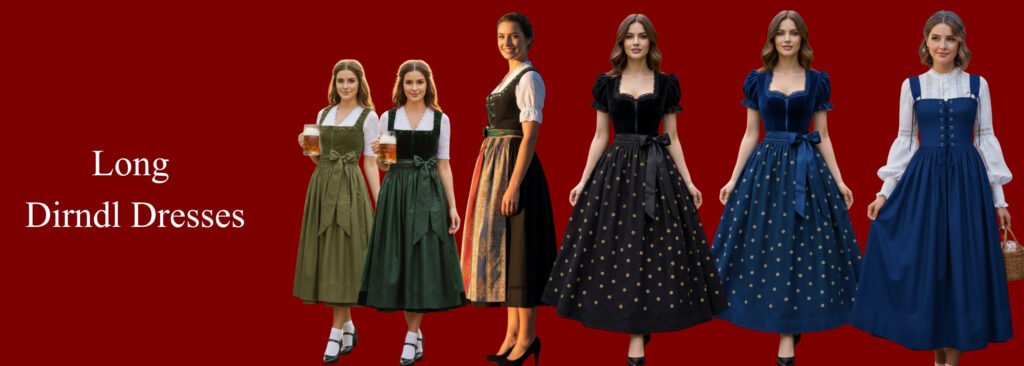
Long Dirndl Dresses 2026 – Shop Traditional Style
The dirndl is far more than a costume. It is a living piece of cultural heritage that has been worn with pride across centuries of Alpine tradition. In 2026, that tradition finds a fresh and confident expression — one that respects the craft of the past while embracing the elegance of modern womanhood. This year, women across Germany, Austria, Switzerland, and beyond are choosing the long dirndl not because they must, but because they want to. The long silhouette signals confidence, refinement, and a deep appreciation for quality that shorter styles simply cannot match.
At DirndlsOnline, we have curated the finest collection of long dirndl dresses available anywhere online, so you can find your perfect traditional look without leaving home. Read on for everything you need to know about this season’s most important traditional fashion trend.
Why the Long Dirndl Is the Defining Style of 2026
Fashion is cyclical, but some shifts carry deeper meaning. The rise of the long dirndl in 2026 is not simply a swing in hemlines — it reflects a broader cultural movement toward authenticity, sustainability, and timeless style. Women today are investing in pieces they will treasure for years rather than discarding after a single season. The long dirndl, with a skirt length of 83 cm or more, embodies exactly this philosophy.
Compared to the mini or midi dirndl, the long version communicates a certain gravitas. At a wedding, it reads as formal and respectful without being stuffy. At Oktoberfest, it stands out from the sea of identical short skirts while remaining entirely appropriate. At a village festival, it fits naturally into the landscape of tradition. Whatever the occasion, the long dirndl dress simply looks right in a way that shorter styles cannot fully achieve.
“This season, women are choosing length and leaving short cuts far behind. The long dirndl is establishing itself as the first choice for Oktoberfest, weddings, and all festive occasions.” — Dirndl Style Report 2026
There is also a practical dimension to consider. A beautifully made long dirndl, crafted from quality linen, cotton, or silk-mix fabric, will last you decades if cared for correctly. It is an investment piece in the truest sense. When you browse our long dirndl collection, you will find options for every budget, all sharing that essential quality of longevity.
Trend Colours for Long Dirndl Dresses in 2026
Colour is perhaps the most immediate expression of a season’s fashion personality, and 2026 has a very clear message: calm, confident, and rooted in nature. Gone are the bold neons and jarring contrasts of previous years. In their place we find a palette of extraordinary subtlety and depth.
Forest Green
Deep, muted greens inspired by Alpine meadows. Pairs beautifully with cream or ivory aprons and white dirndl blouses.
Dusty Rose
Soft, powdery pink with grey undertones. Feminine without being overly sweet, perfect for weddings and spring festivals.
Slate Blue
A cool, sophisticated blue-grey that works beautifully from afternoon into evening. Effortlessly elegant in long cuts.
Warm Rust
An earthy terracotta-red that echoes autumn harvests. Deeply flattering on many skin tones, outstanding for Oktoberfest.
Natural Ecru
Warm off-white in linen or cotton blends. The most understated yet refined choice of the season — quietly beautiful.
Deep Navy
A classic that never fades. In a long dirndl cut with floral embroidery accents, navy achieves timeless perfection.
The key principle across all 2026 colour choices is harmony. Tone-on-tone combinations — where the bodice, apron, and skirt echo each other in closely related shades — are this season’s most sophisticated approach. Our new arrivals for 2026 showcase this beautifully, with carefully coordinated colour stories that make dressing effortless.
Best Fabrics for Long Dirndl Dresses
In 2026, fabric quality has moved from a secondary consideration to the very heart of dirndl purchasing decisions. Women are asking different questions than they did five years ago. Instead of “How much is it?”, the conversation has shifted to “What is it made from?” and “How long will it last?” This represents a genuine maturation of the traditional fashion market.
The finest long dirndl dresses this season are made from the following materials, each offering distinct qualities:
| Fabric | Best For | Care | Feel |
|---|---|---|---|
| Pure Linen | Summer festivals, outdoor events | Hand wash or gentle cycle | Breathable, crisp, natural texture |
| Cotton-Linen Blend | Everyday wear, village festivals | Machine wash cold | Soft, durable, easy-care |
| Pure Cotton Jacquard | Oktoberfest, weddings | Hand wash, air dry | Structured, holds shape beautifully |
| Wool-Cotton Blend | Autumn/winter events, Alpine trips | Dry clean recommended | Warm, substantial, luxurious drape |
| Silk-Blend | Weddings, formal occasions | Dry clean only | Lustrous, fluid, premium appearance |
For most occasions, a high-quality cotton jacquard or linen-blend long dirndl will serve you exceptionally well. These fabrics breathe during warm Oktoberfest days, drape elegantly in photographs, and hold their shape through hours of wear. When shopping at our premium dirndl range, you will find detailed fabric information on every product page so you can choose with complete confidence.
Long Dirndl Styles: Which One Is Right for You?
The long dirndl is not a single, monolithic style. Within the category of skirt lengths above 83 cm, there is extraordinary variation in cut, construction, and detailing. Understanding these differences helps you choose the dress that best suits your body type, the occasion, and your personal taste.
The Classic Bavarian Long Dirndl
The quintessential form. A fitted bodice with modest neckline, full pleated skirt, and matching or contrasting apron in cotton or linen. This is the style that defines the genre and works beautifully for Oktoberfest, church festivals, and any occasion where authentic Bavarian tradition is the right dress code. Browse our traditional dirndl collection to explore dozens of classic options.
The Modern Romantic Long Dirndl
A contemporary interpretation that softens the traditional structure. Expect sweetheart necklines, delicate lace or embroidery details, softer fabrics, and aprons with subtle floral prints. This style bridges the gap between Tracht and bridal fashion, making it an especially popular choice for weddings and milestone celebrations.
The Minimalist Long Dirndl
Stripped of excess ornament, this style focuses entirely on cut and fabric quality. Clean lines, muted colours, and a simplified silhouette that lets the craftsmanship speak. It is the most versatile interpretation — wearable across a wide range of formal and semi-formal occasions with equal ease. This style has seen the sharpest rise in popularity among style-conscious buyers in 2026.
The Embroidered Folk Dirndl
For those who embrace ornamentation, the embroidered folk dirndl offers a celebration of regional craft. Traditional motifs — edelweiss, oak leaves, alpine flowers — are worked in silk or cotton thread onto the bodice, apron, or skirt hem. No two pieces are exactly alike, and the most intricate examples are genuine works of wearable art.
Styling Tip: When choosing a long dirndl, consider where the waist seam sits. A higher-waisted cut lengthens the legs and creates a flattering silhouette for most body types. Look for bodices with side-zip fastening for the best fit — they allow for more precise shaping than back-zip or hook-and-eye closures.
How to Wear a Long Dirndl: Complete Styling Guide
Owning a beautiful long dirndl is only the beginning. The way you style it — the blouse, the apron bow, the accessories, the shoes — determines whether the final look is truly polished or merely adequate. Here is everything you need to know to dress your long dirndl with confidence.
Choosing the Right Dirndl Blouse
The dirndl blouse is the single most important accessory. For a long dirndl in 2026, the favoured blouse styles include the classic puff-sleeve cotton blouse, the lace-trim blouse with subtle broderie anglaise detailing, and the sleek modern dirndl blouse with minimal ruffles for a cleaner line. White remains the safest and most versatile choice, but cream and soft ecru have gained significant ground this season.
Explore our dedicated dirndl blouse collection to find the perfect partner for your long dirndl. We offer sizes from XS to 3XL, ensuring every woman finds a blouse that fits correctly without alteration.
The Apron Bow and Its Meaning
The positioning of the apron bow carries genuine cultural significance in Bavarian tradition, and knowing the conventions adds depth to your look. A bow tied to the right signals that the wearer is in a relationship or married. A bow to the left indicates she is single and available. A bow tied at the front-centre is traditionally worn by brides, while a bow at the back was once worn by widows. These conventions are widely observed at Oktoberfest and traditional festivals, though many women today wear the bow wherever it looks best on their particular apron style.
Shoes and Stockings
With a long dirndl, footwear choices are more visible than with shorter styles, making this decision more consequential. The traditional choice is leather Mary Jane pumps or ankle-strap heeled shoes in brown, black, or burgundy. For outdoor events on grass, block-heeled shoes or wedge-heeled styles offer practicality without sacrificing elegance. White or cream knee-high stockings complete the traditional look; for a more modern approach, natural-tone tights or simple white ankle socks with Mary Janes work beautifully.
Jewellery and Hair
Traditional Tracht jewellery includes enamel pendants, silver filigree pieces, and natural gemstones in green, red, and blue. Antler or bone hair clips, pearl earrings, and simple chain necklaces all complement a long dirndl without competing with it. For hair, a classic braided updo or half-up style allows the dirndl’s neckline to read clearly. For modern occasions, a loose chignon with soft waves at the temples strikes a beautiful balance between traditional and contemporary.
Long Dirndl Dresses for Every Occasion in 2026
One of the most compelling reasons to invest in a quality long dirndl is its genuine versatility across different occasions. Many buyers are surprised to discover how many events their long dirndl can serve.
- Oktoberfest: The long dirndl is the gold standard for serious Oktoberfest dressing. It says “I know the tradition” while standing apart from the sea of identical shorter styles.
- Bavarian and Austrian Weddings: As a wedding guest, a long dirndl in a muted tone with beautiful fabric quality strikes the perfect note between festive and respectful.
- Christening and Communion Ceremonies: Traditional family religious milestones are ideal occasions for a long dirndl, particularly in navy, forest green, or deep burgundy.
- Village and Church Festivals (Volksfeste): Every region of Bavaria and Austria hosts traditional festivals throughout the year. A long dirndl is always the right choice.
- Mountain and Alpine Weddings: The long dirndl pairs beautifully with Alpine scenery in ways that no other style can match. It belongs to the landscape.
- Corporate and Cultural Events: Many Bavarian businesses and cultural organisations hold events where Tracht is welcomed or encouraged. A long dirndl projects professionalism and cultural respect.
Ready to Find Your Perfect Long Dirndl?
Explore over 400 authentic dirndl styles — from classic Bavarian to modern romantic — with free shipping available.
Shop Long Dirndl Dresses 2026Size Guide: Finding Your Perfect Long Dirndl Fit
Fit is arguably more important with a long dirndl than with any other style. Because the dress is structured — with a boned or seamed bodice and a full skirt — incorrect sizing shows immediately. Here is how to take your measurements correctly and choose your size with confidence.
You will need a fabric measuring tape and ideally a helper. Stand naturally in your normal posture and measure the following:
- Bust: Measure around the fullest part of your chest, keeping the tape parallel to the floor. Do not pull tight.
- Waist: Measure around your natural waist — the narrowest point of your torso, typically about 2–3 cm above your navel.
- Hips: Measure around the fullest part of your hips and seat, typically 20–23 cm below your natural waist.
- Back length: Measure from the base of your neck to your natural waist. This helps determine where the bodice will fall.
For dirndl sizing specifically, most manufacturers size primarily on the bust measurement, with the bodice designed to lace or hook at the back for waist adjustment. If you are between sizes, always size up and use the back lacing to achieve the correct waist fit. Our detailed dirndl size guide includes brand-specific charts and conversion tables for German, Austrian, UK, US, and Italian sizing.
According to the Bavarian Textile Guild’s official sizing standards, dirndl sizing across reputable manufacturers is broadly standardised, though minor variations exist between collections. Always refer to the specific size chart provided on each product page for the most accurate guidance.
Caring for Your Long Dirndl Dress
A well-cared-for dirndl will remain beautiful for decades. The investment you make in purchasing a quality long dirndl is only worthwhile if you protect it with proper care. Here are the essential guidelines:
Washing
Most cotton and linen dirndls can be washed at 30°C on a gentle cycle. Use a mild detergent designed for delicate garments and avoid biological detergents with enzymes, which can break down natural fibres over time. Turn the dress inside out before washing to protect any embroidery or printed details. Silk-blend and wool-blend dirndls should always be dry-cleaned or hand-washed with specialist wool-and-silk wash products.
Drying and Ironing
Always air-dry your dirndl away from direct sunlight, which can fade colours even in natural fabrics. Lay the skirt portion flat if possible to prevent distortion of the pleats. Iron the bodice lightly on a low-heat setting while the fabric is still slightly damp; this makes pressing much easier and reduces the risk of heat damage. Use a pressing cloth between the iron and any embroidery to protect the threadwork.
Storage
Store your long dirndl hanging in a breathable cotton garment bag, never in plastic. Hang on a wide-shoulder padded hanger to preserve the shape of the bodice. If storing for a long period between seasons, add a cedar wood block or lavender sachet to deter moths — both are effective and far preferable to mothballs, which can damage fabric and leave lingering odours.
Where to Buy Long Dirndl Dresses Online in 2026
With so many options available, finding a trustworthy online source for authentic dirndl dresses matters more than ever. Not all online retailers offer genuine traditional craftsmanship — some sell costume-quality pieces that look attractive in photographs but disappoint in person. At DirndlsOnline, we source exclusively from established Bavarian and Austrian manufacturers with proven track records in traditional dress making.
When evaluating any online dirndl retailer, ask the following questions:
- Is the fabric composition clearly stated, with genuine natural fibres?
- Is the bodice structured and boned, not simply elasticated?
- Are the seams finished correctly and the pleats properly set?
- Does the retailer provide a clear returns policy and accurate size guidance?
- Are there genuine customer reviews from buyers who have attended actual events?
Our long dirndl dresses meet every one of these standards. Each product listing includes fabric composition, care instructions, detailed measurements, and verified customer reviews. We offer free returns on all unworn items, making it genuinely risk-free to try a dress before committing to your final choice.
You can also browse our complete dirndl sets — which include the dress, blouse, and apron — for the easiest and most cost-effective way to achieve a fully coordinated traditional look without needing to mix and match separately.
Long Dirndl 2026: Key Takeaways
To summarise everything we have covered in this guide, here are the key points to carry with you as you shop for your perfect long dirndl dress in 2026:
- The long dirndl (83 cm skirt and above) is the defining style of traditional fashion in 2026, prized for its elegance, versatility, and timeless quality.
- Natural, muted colour palettes — forest green, dusty rose, slate blue, warm rust, ecru, and deep navy — are the defining colour story of the season.
- Fabric quality is paramount. Choose pure linen, cotton jacquard, or cotton-linen blends for most occasions; silk-blends for formal events and wool-blends for autumn and winter.
- The minimalist long dirndl is the fastest-rising sub-style, reflecting a broader cultural shift toward quiet luxury and investment dressing.
- Fit is everything. Measure carefully, refer to size charts, and always size up if between sizes — back lacing provides the necessary waist adjustment.
- Proper care — gentle washing, air-drying, correct storage — will keep your long dirndl beautiful for decades.
- A quality long dirndl is a genuine investment piece that serves you across multiple occasions and years.
Discover the Full 2026 Collection
From classic Bavarian to modern minimalist — find your long dirndl dress and complete your traditional look today.
Explore New Arrivals 2026