
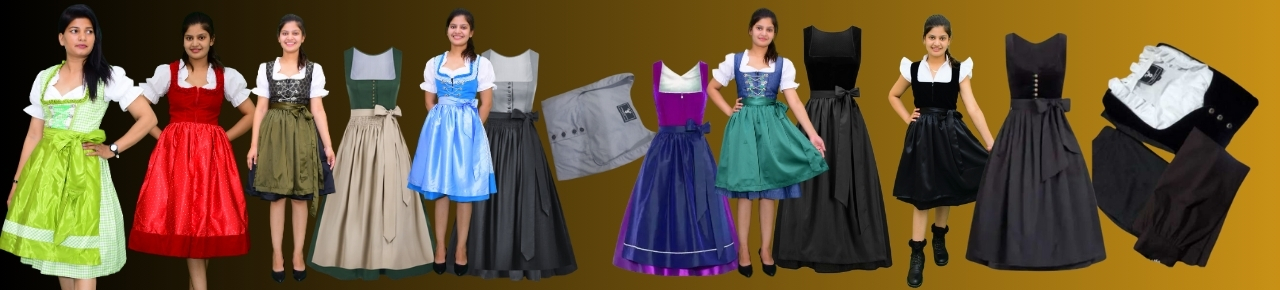
The Enchanting Charm of the Vintage Dirndl: A Nostalgic Journey into Timeless Style
 £ 138
£ 138- £ 145
- £ 145
- £ 215
- £ 159
- £ 135
- £ 129
- £ 149
- £ 159
- £ 149
- £ 165
- £ 165
- £ 145
- Sale!
£ 225Original price was: £ 225.£ 139Current price is: £ 139. - Sale!
£ 200Original price was: £ 200.£ 129Current price is: £ 129. - Sale!
£ 249Original price was: £ 249.£ 149Current price is: £ 149.
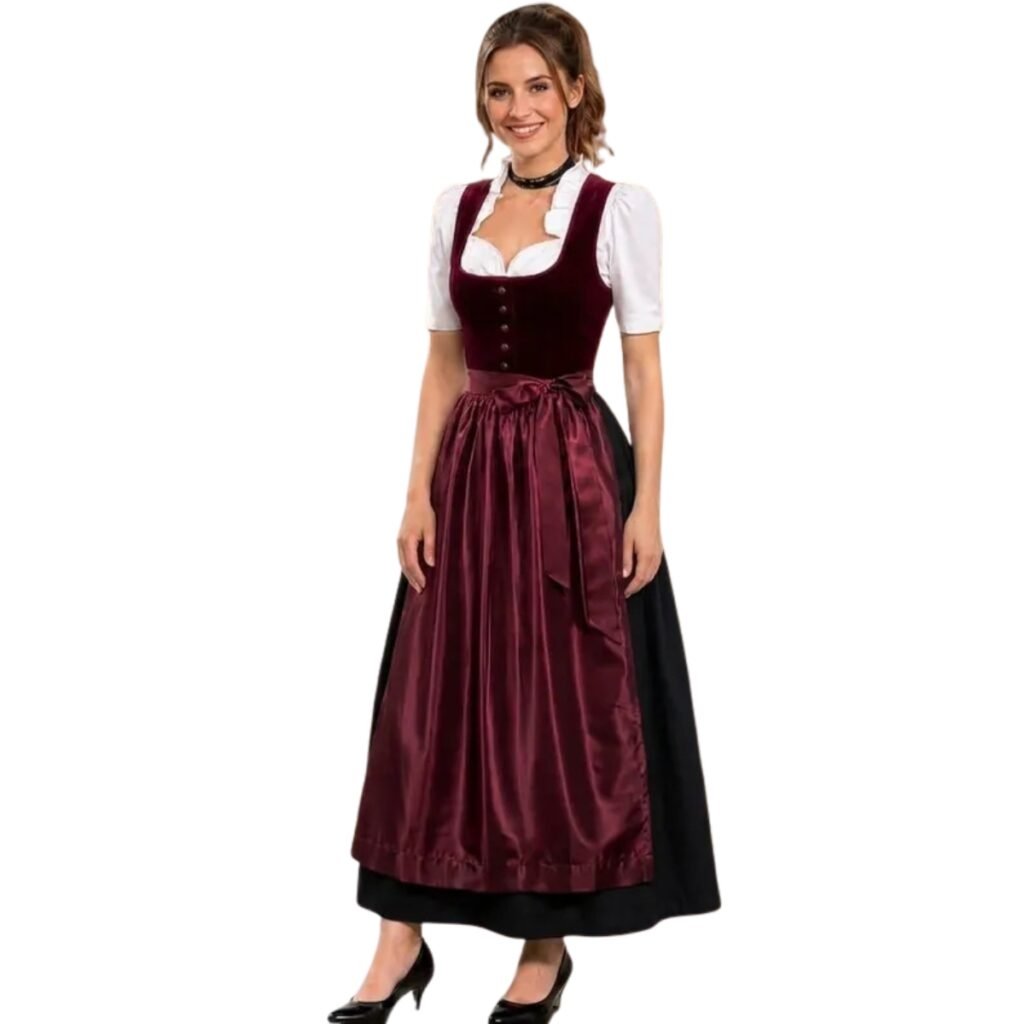
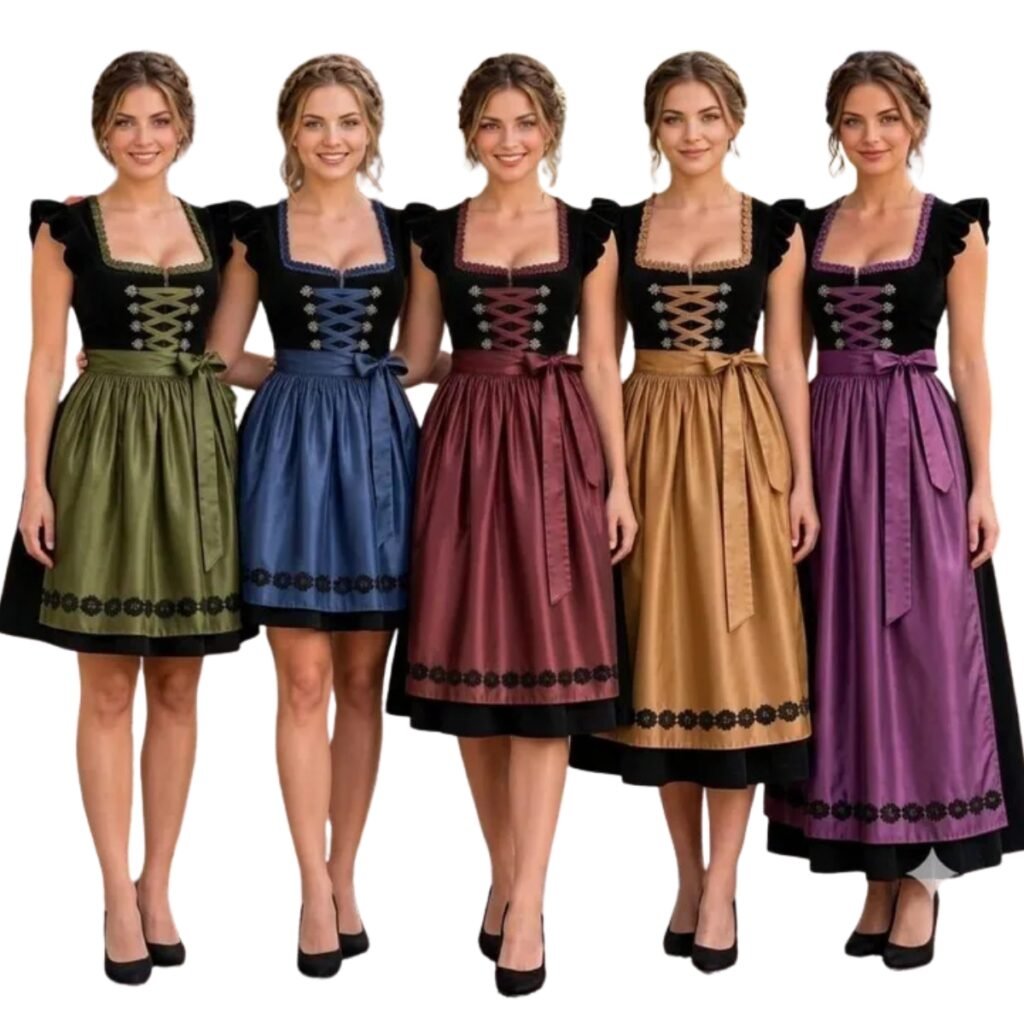
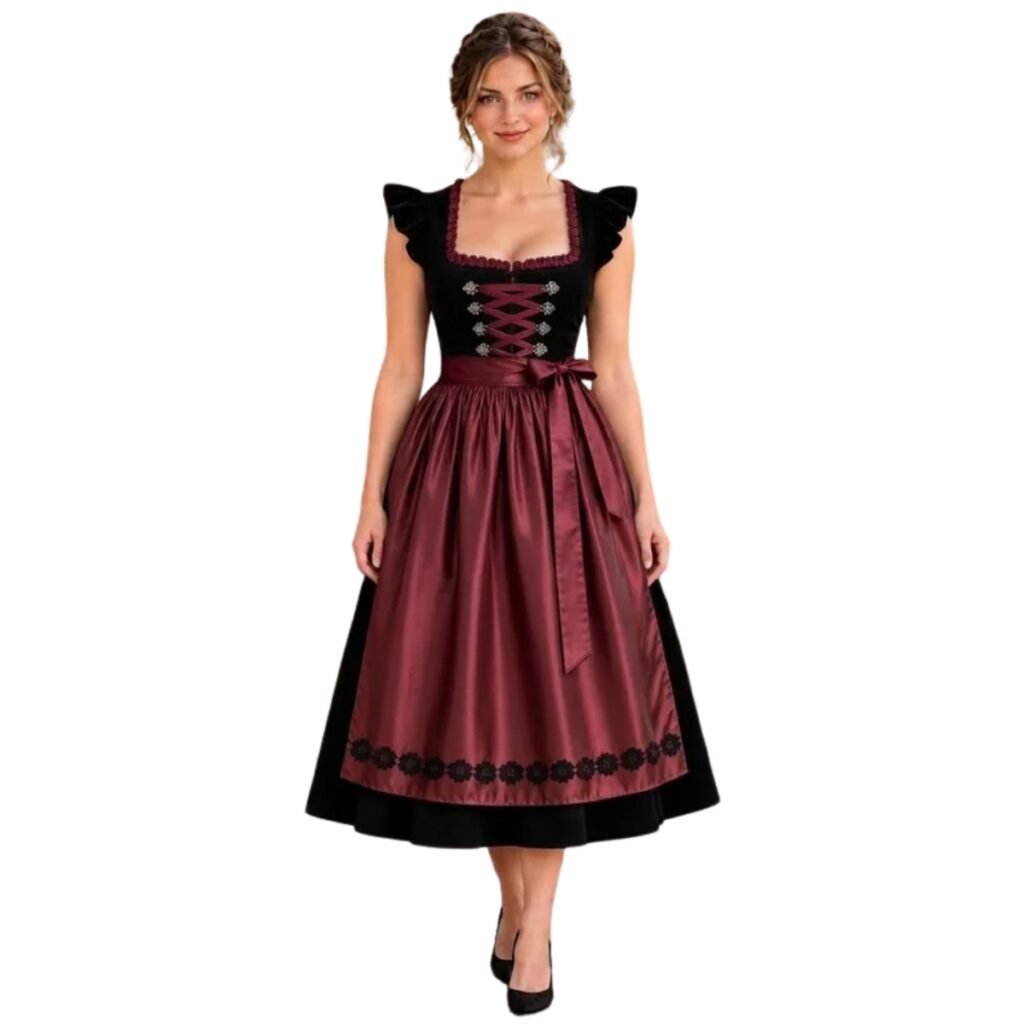
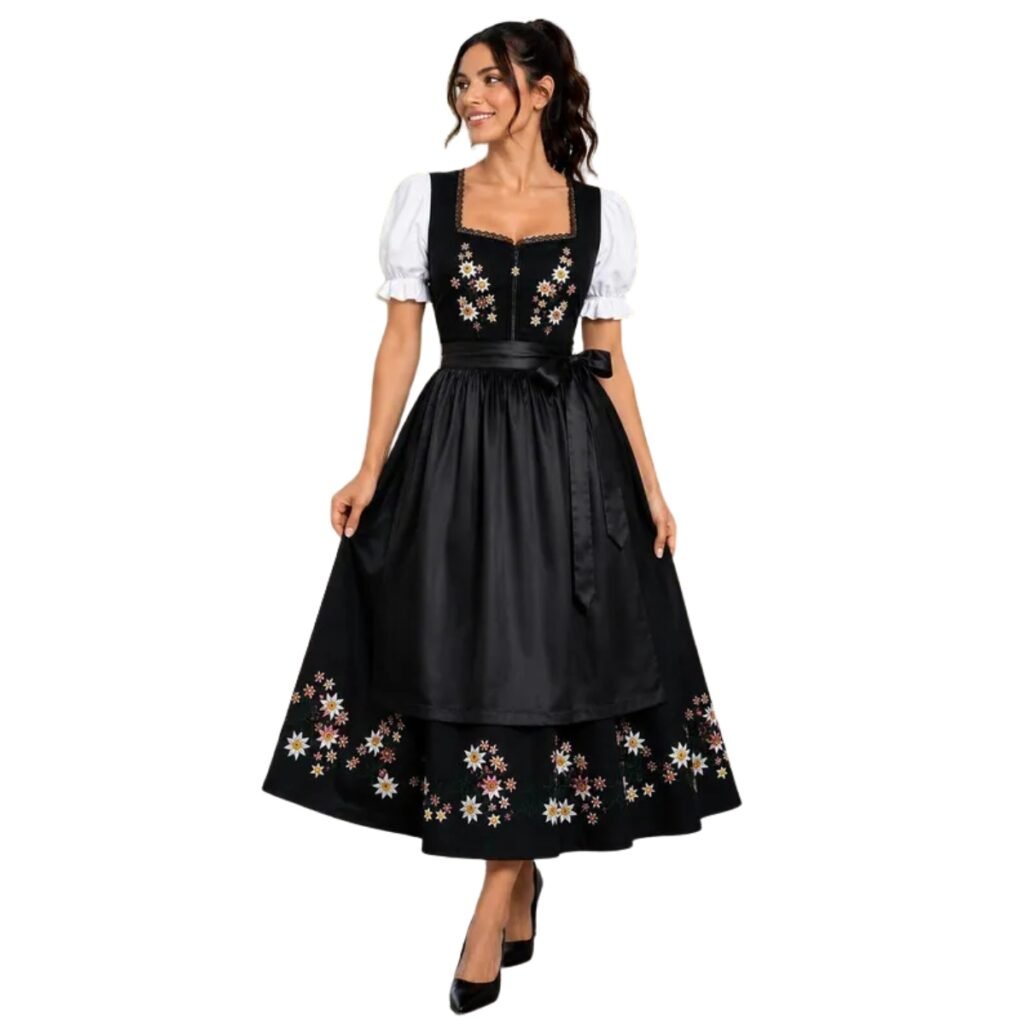
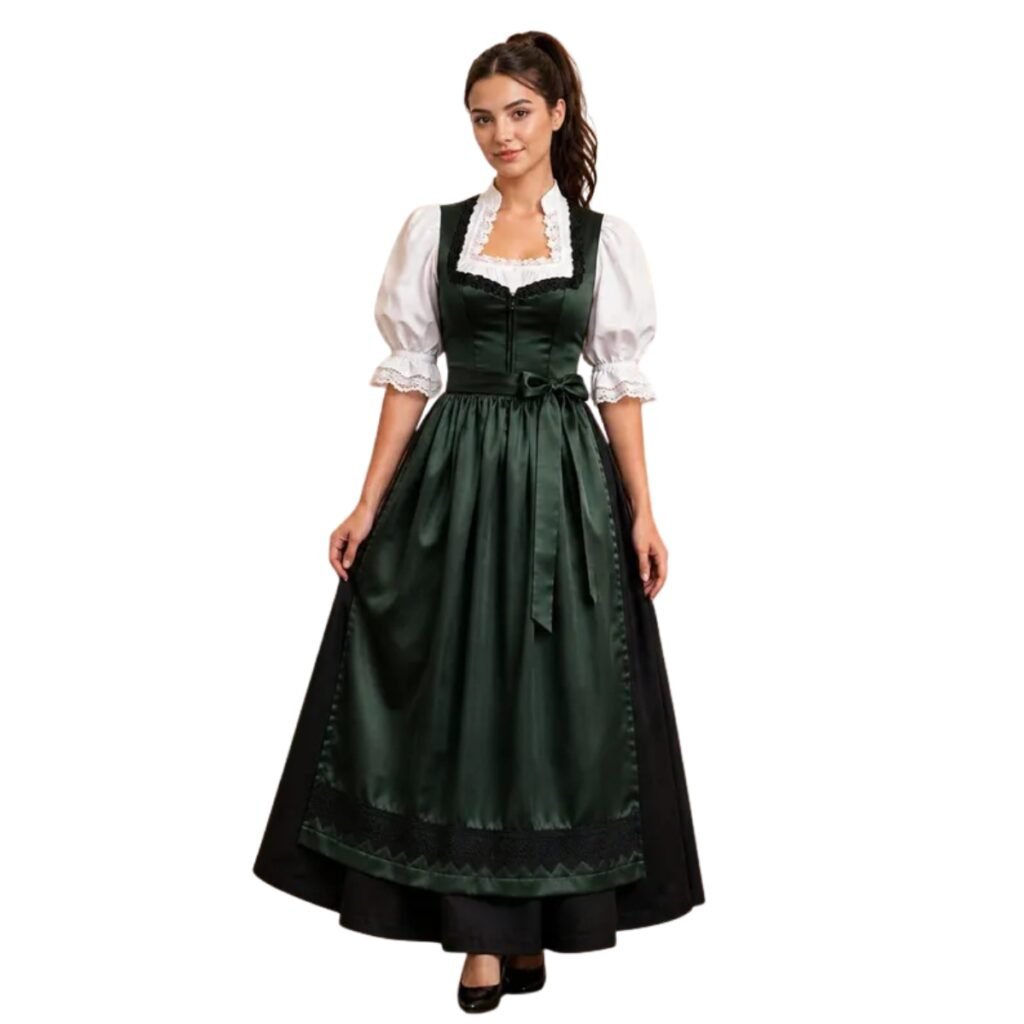
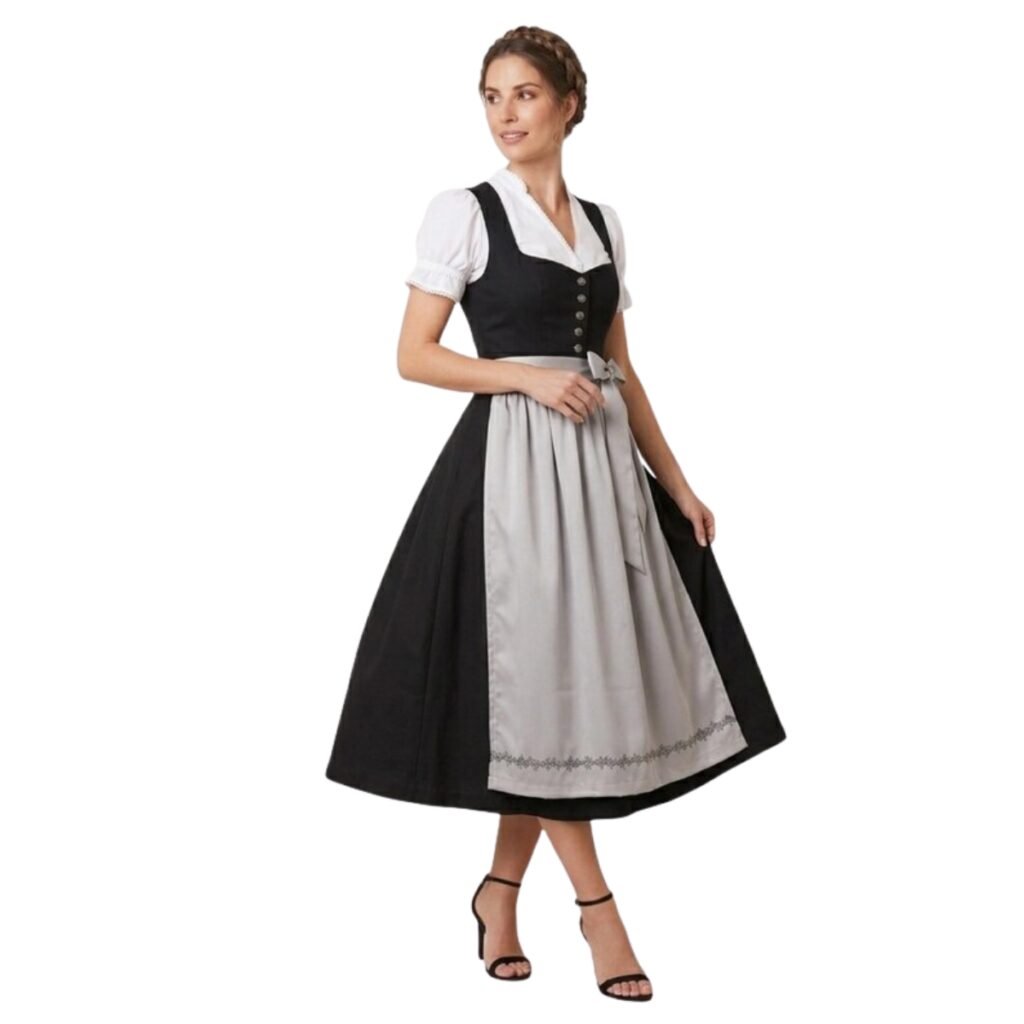
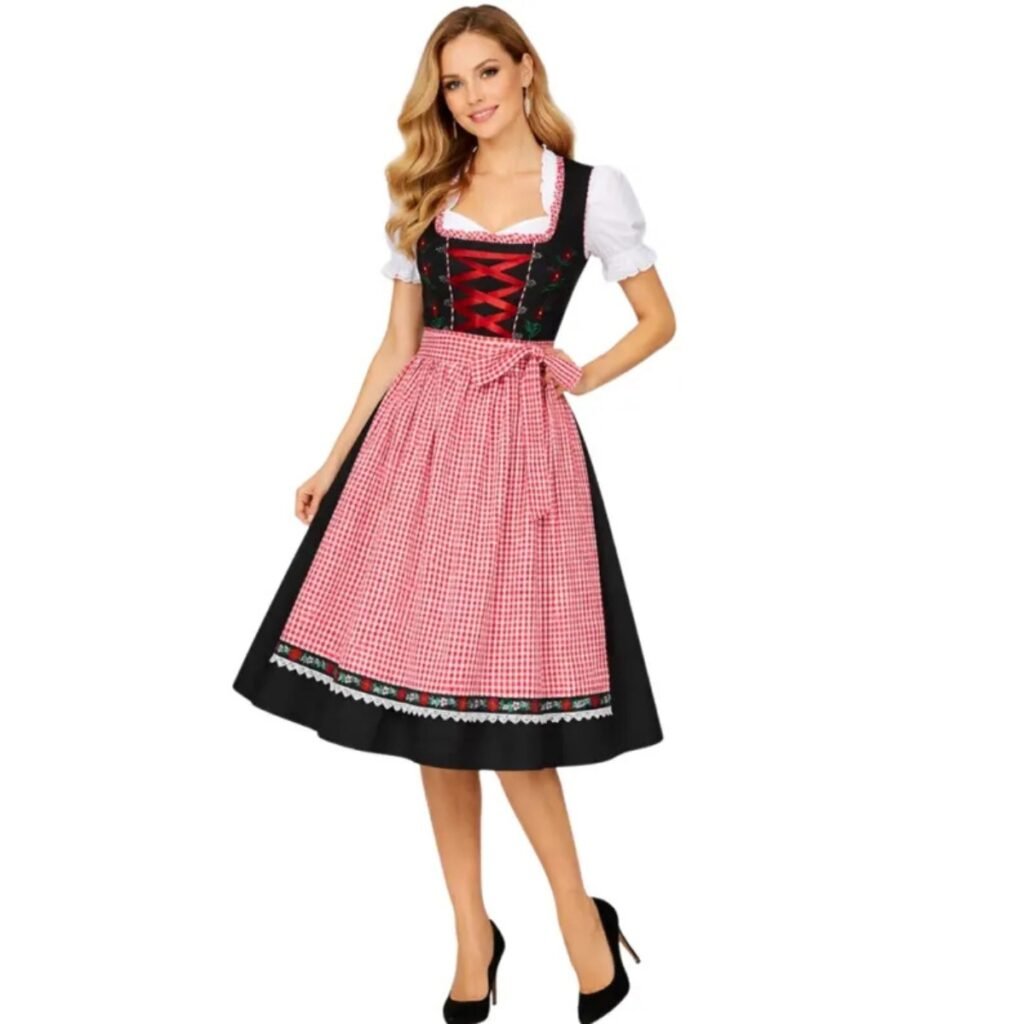
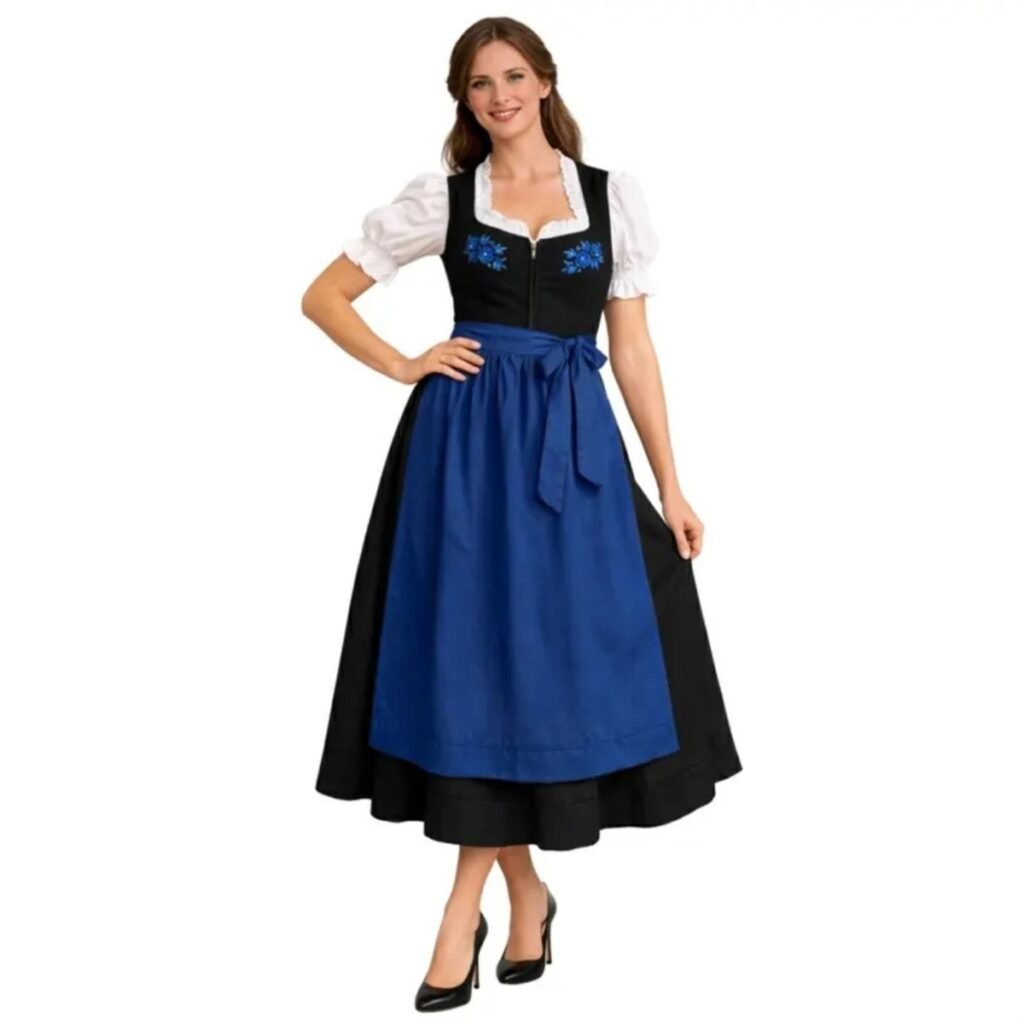
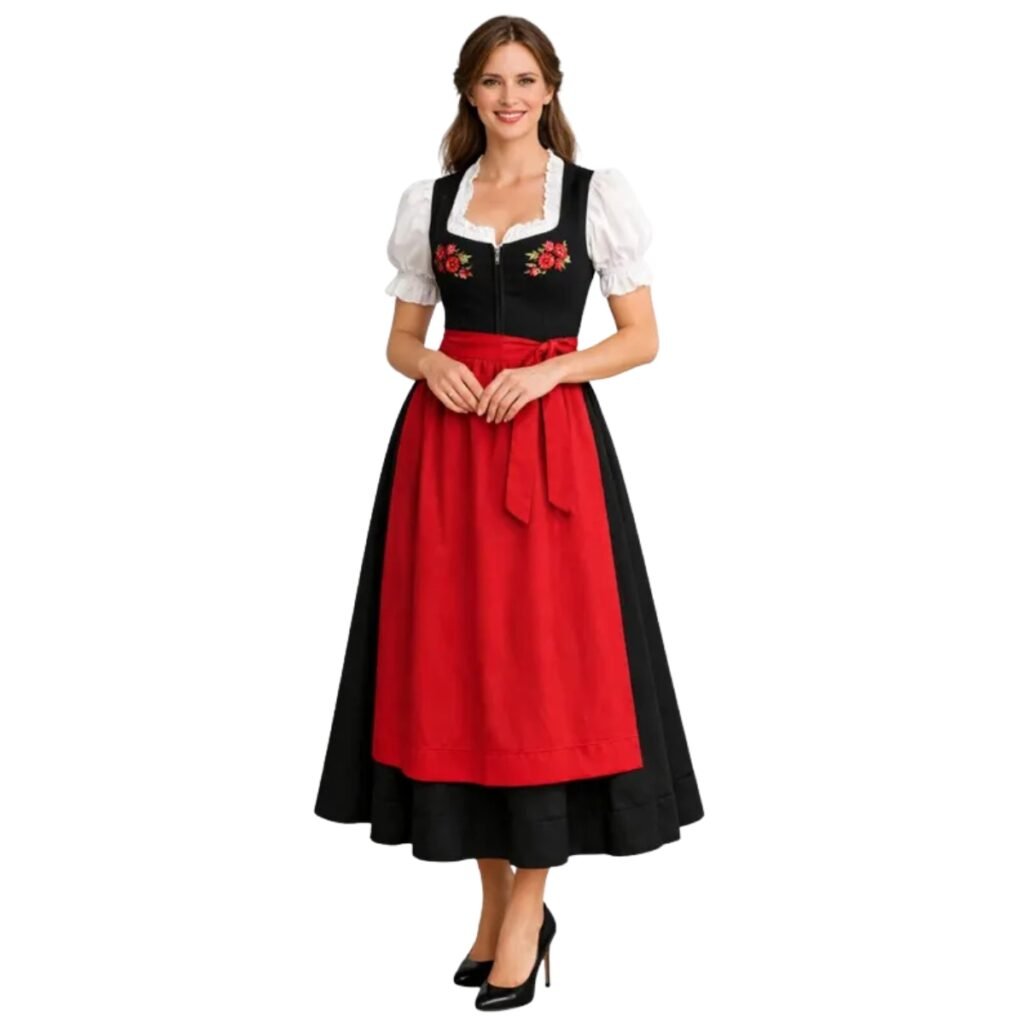
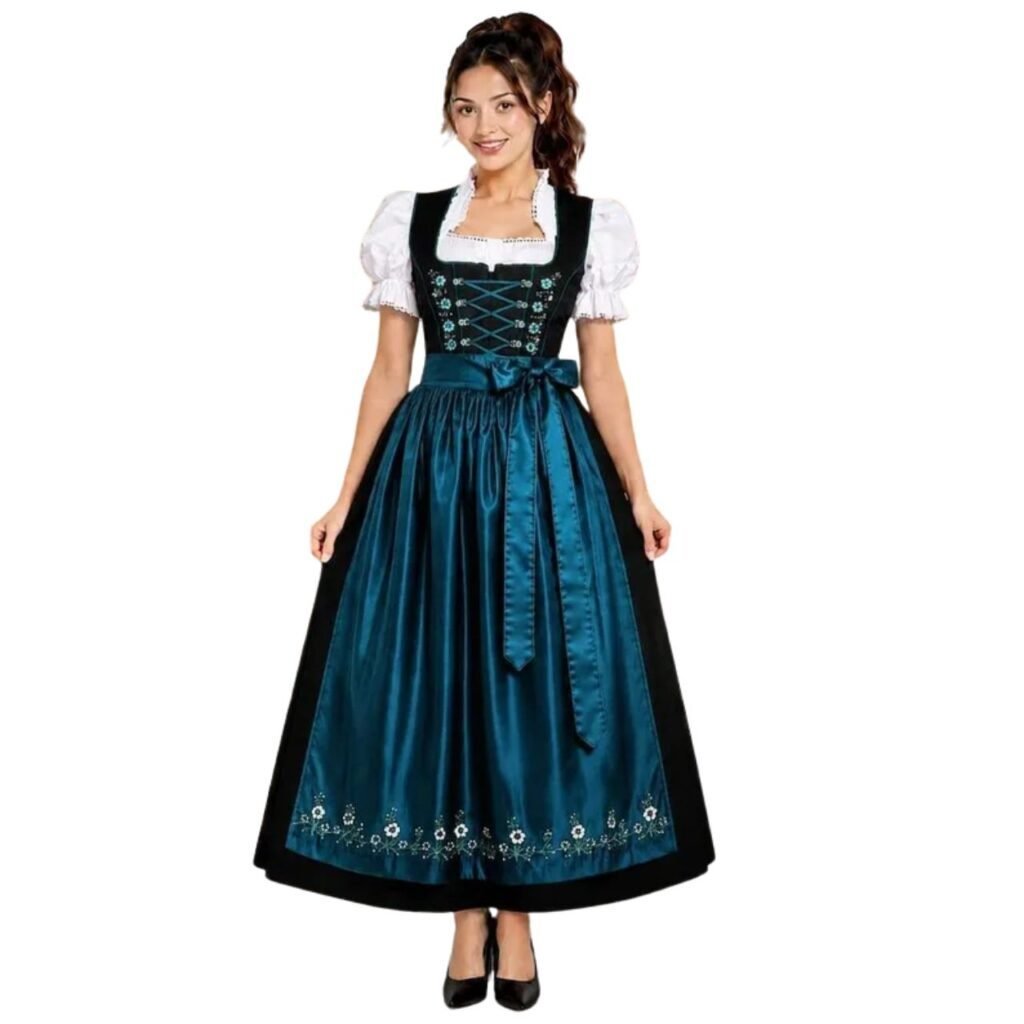
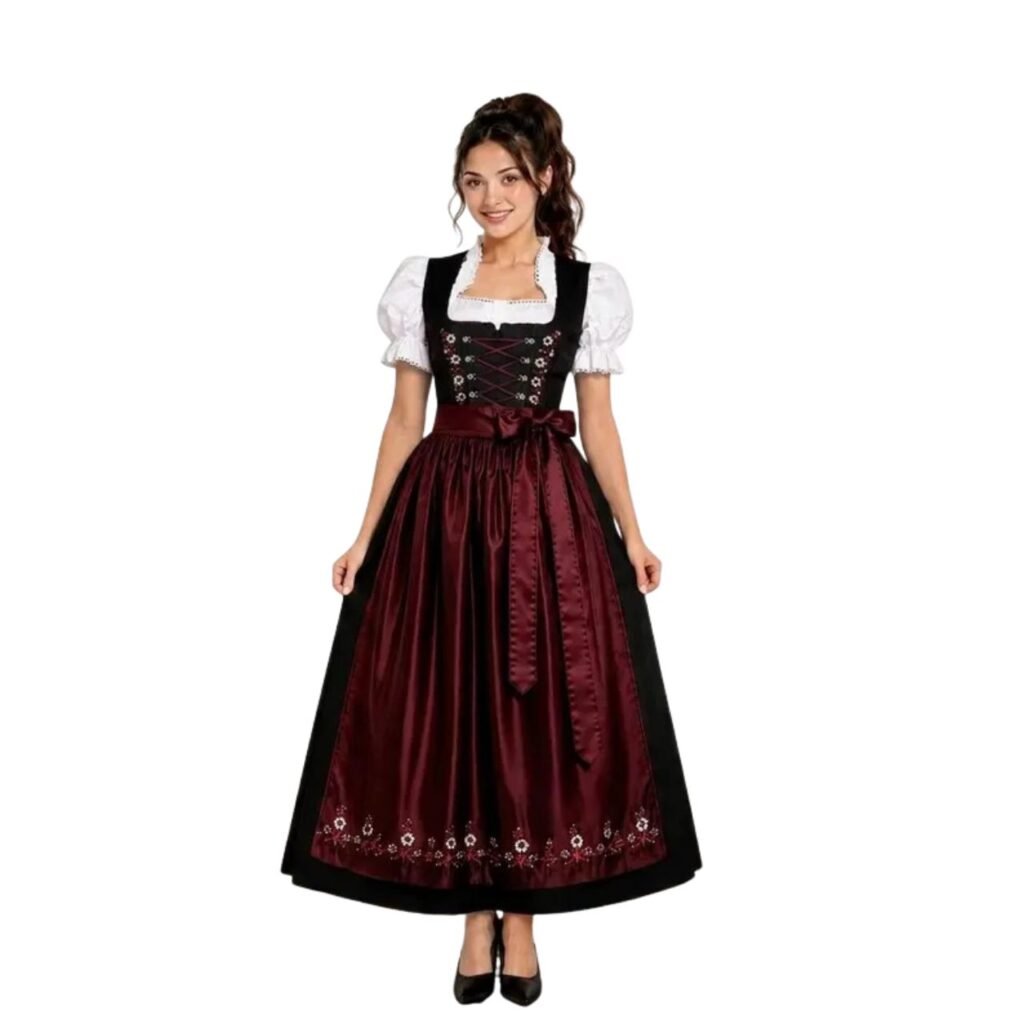
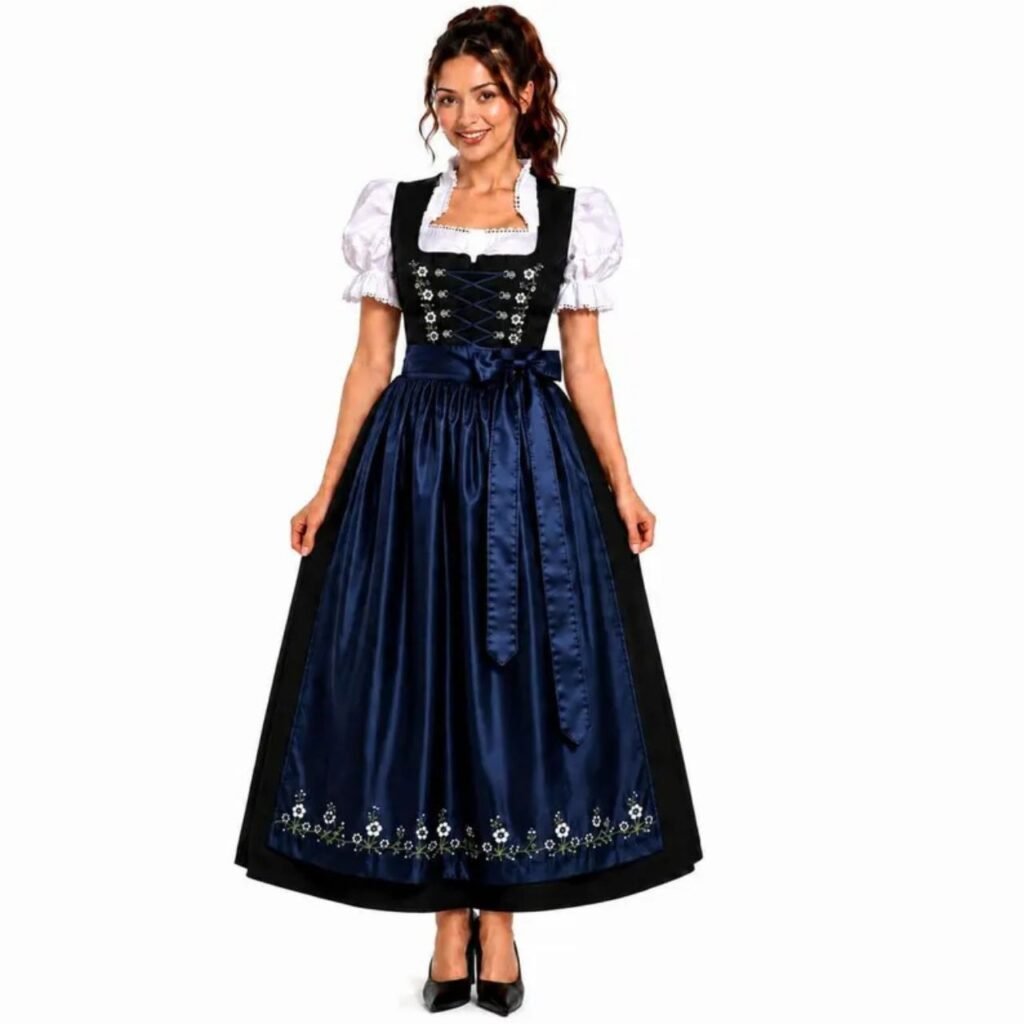
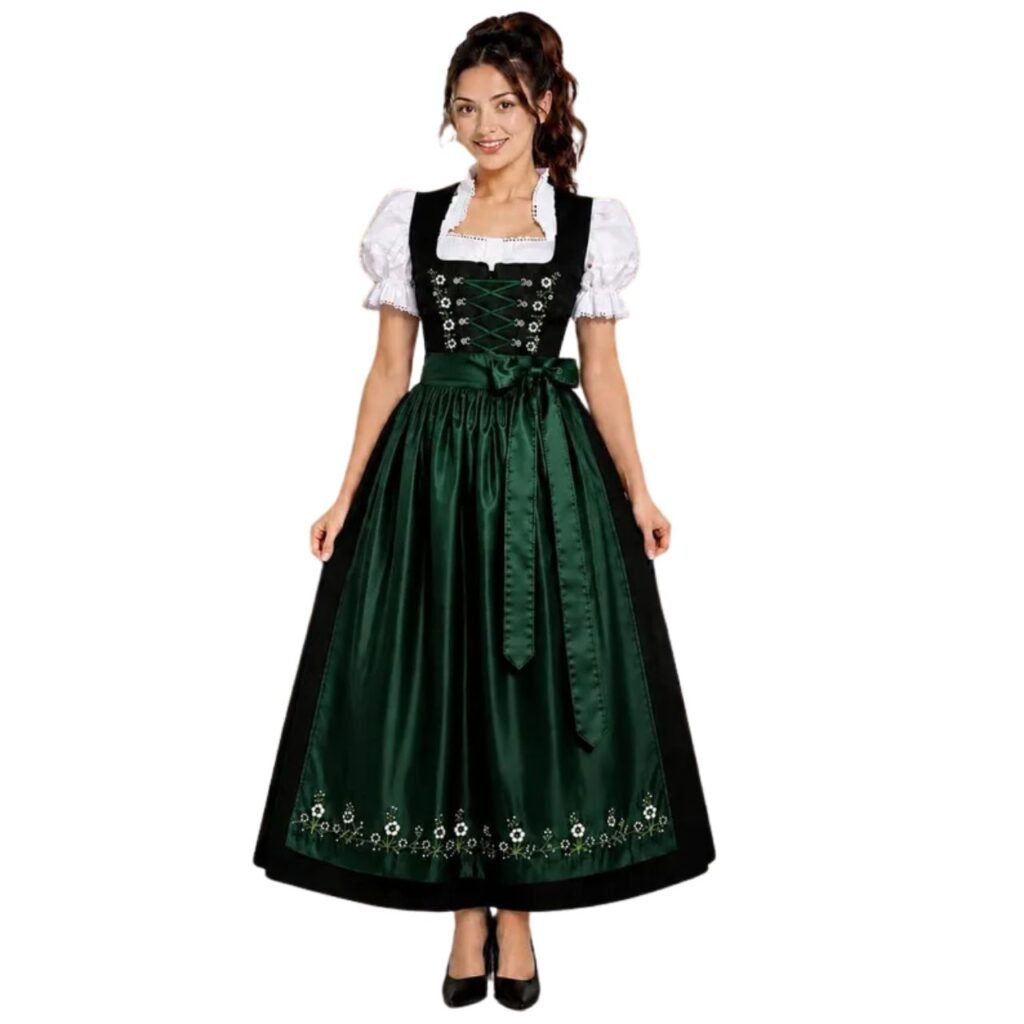
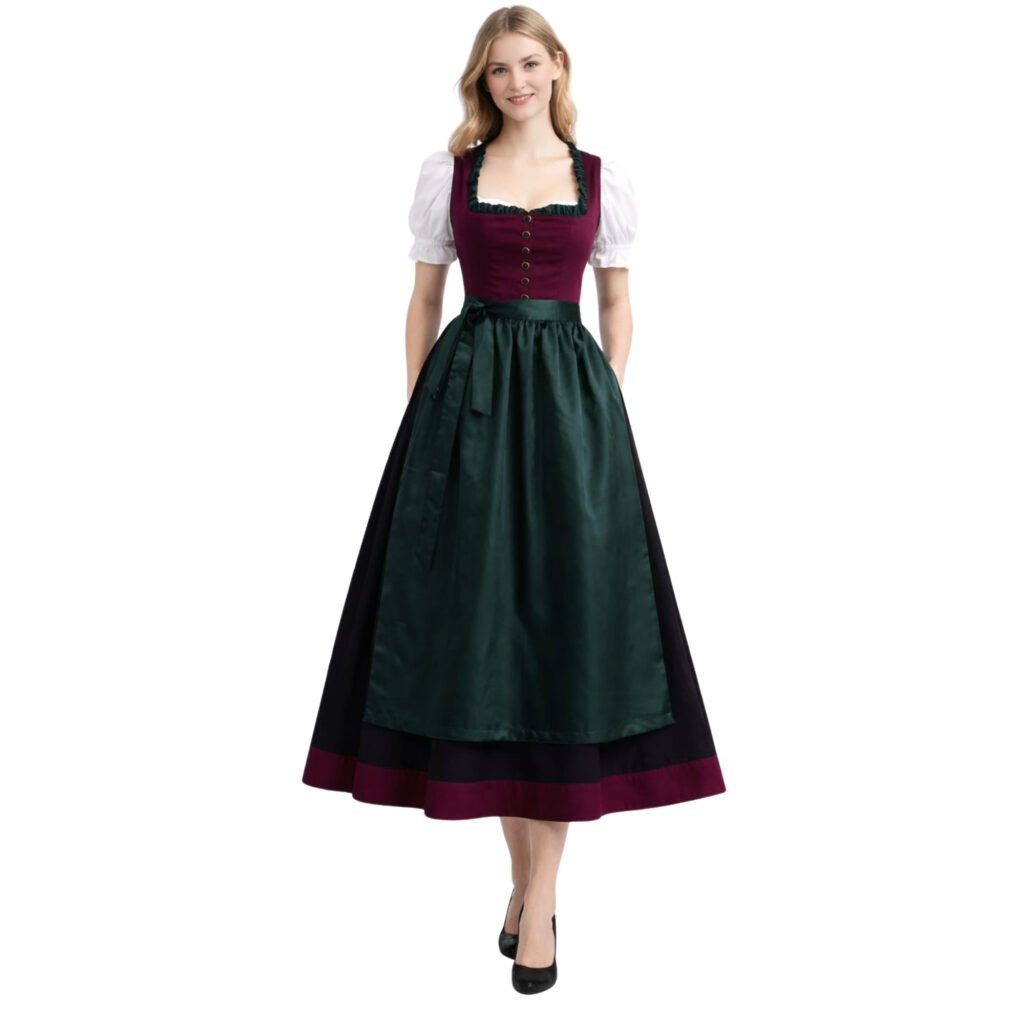


The vintage dirndl is more than just a garment—it’s a wearable piece of history that embodies the elegance, craftsmanship, and cultural heritage of Alpine traditions. With its delicate embroidery, nostalgic designs, and timeless appeal, the vintage dirndl has become a cherished choice for fashion enthusiasts, collectors, and those seeking to embrace sustainable style. Whether worn at Oktoberfest, weddings, or as a statement piece in a modern wardrobe, the vintage dirndl offers a unique connection to the past while remaining effortlessly chic.
What is a Vintage Dirndl?
A vintage dirndl refers to a traditional Bavarian or Alpine folk dress that dates back several decades, typically from the mid-20th century or earlier. The dirndl itself originated in the rural regions of Germany, Austria, and Switzerland as practical attire for working-class women. Over time, it evolved into a symbol of cultural pride, often worn during festivals and celebrations. A vintage dirndl distinguishes itself through its historical authenticity, featuring design elements, fabrics, and craftsmanship reflective of its era. These dresses are often sourced from thrift stores, family heirlooms, or specialized vintage shops, offering a sustainable and sentimental alternative to modern reproductions.
The History and Cultural Legacy of the Vintage Dirndl
The dirndl’s origins can be traced to the 19th century, but the vintage dirndl as we know it today gained prominence in the post-World War II era. During the 1950s and 1960s, dirndls became popularized as festive attire, particularly in Bavaria, where they were worn with pride during Oktoberfest and other regional celebrations. These mid-century designs often featured bold patterns, vibrant colors, and intricate hand-stitched embroidery, reflecting the optimism and creativity of the time.
The vintage dirndl also carries cultural significance beyond fashion. Historically, elements like the apron’s placement or the blouse’s neckline subtly communicated a woman’s marital status or social standing. Today, owning a vintage dirndl is akin to preserving a piece of living history, celebrating the artistry of past generations while honoring Alpine traditions.
Key Features of a Vintage Dirndl
Authentic Fabrics: Vintage dirndls are often crafted from natural materials like linen, cotton, or wool, which were commonly used in earlier decades. These fabrics are durable, breathable, and carry a rustic charm that synthetic modern textiles often lack.
Handcrafted Embroidery: One of the hallmarks of a vintage dirndl is its intricate embroidery. Floral motifs, geometric patterns, and folk-inspired designs were meticulously stitched by hand, showcasing the skill of artisans from bygone eras.
Timeless Silhouette: Like traditional dirndls, the vintage dirndl features a fitted bodice, a flared skirt, and an apron. However, vintage designs may have slightly different cuts, such as higher waistlines or shorter hemlines, reflecting the fashion trends of their time.
Antique Details: Look for unique elements like lace collars, mother-of-pearl buttons, or handwoven aprons. These details add character and authenticity to a vintage dirndl, distinguishing it from contemporary reproductions.
Patina and Wear: The gentle fading, slight fraying, or softness of the fabric in a vintage dirndl tells a story of its past. These imperfections are celebrated as marks of longevity and cherished use.
Why Choose a Vintage Dirndl?
Sustainability: In an era of fast fashion, the vintage dirndl offers an eco-friendly alternative. By repurposing pre-loved garments, you reduce waste and support sustainable fashion practices.
Unique Style: Each vintage dirndl is one-of-a-kind, with designs and details that modern manufacturers rarely replicate. Wearing one ensures you stand out with a look that’s both nostalgic and distinctive.
Superior Craftsmanship: Older dirndls were often made with meticulous attention to detail. The hand-stitched embroidery and durable fabrics of a vintage dirndl reflect a level of quality that’s hard to find in today’s mass-produced clothing.
Cultural Appreciation: Owning a vintage dirndl allows you to connect with Alpine heritage in an authentic way. These garments are tangible links to the traditions, values, and artistry of past communities.
Investment Value: High-quality vintage dirndls, especially those in excellent condition or from notable eras, can appreciate in value over time. They’re treasured by collectors and fashion historians alike.
Styling Your Vintage Dirndl for Modern Occasions
The versatility of the vintage dirndl makes it suitable for a variety of settings. Here’s how to style it for different events:
Oktoberfest Celebrations: Pair your vintage dirndl with a crisp white blouse, leather ankle boots, and a woven straw hat. Add a touch of whimsy with a floral apron or a braided updo.
Weddings or Formal Events: Opt for a vintage dirndl in muted tones like ivory, sage green, or dusty rose. Elevate the look with a lace-trimmed blouse, pearl jewelry, and elegant heels.
Casual Day Out: Simplify your ensemble by pairing a vintage dirndl with a fitted turtleneck, tights, and ankle boots. Add a crossbody bag for a chic, modern twist.
Retro-Themed Parties: Embrace the dress’s nostalgic vibe by accessorizing with cat-eye sunglasses, a headscarf, and vintage-inspired makeup like red lips and winged eyeliner.
Winter Festivities: Layer your vintage dirndl with a long-sleeved blouse, woolen stockings, and a velvet blazer. Finish with knee-high boots and a faux fur stole for cozy elegance.
Caring for Your Vintage Dirndl
Preserving the beauty of a vintage dirndl requires gentle care:
Cleaning: Always check the fabric label first. Hand-wash delicate pieces in cold water with mild detergent. For stubborn stains or fragile fabrics, consult a professional cleaner experienced in vintage textiles.
Storage: Hang your vintage dirndl on a padded hanger to maintain its shape. Store it in a breathable garment bag away from sunlight, moisture, and pests.
Repairs: Address loose threads or missing buttons promptly to prevent further damage. Seek a tailor who specializes in vintage clothing for delicate repairs.
Avoid Harsh Chemicals: Never use bleach or strong detergents, as they can weaken fabrics and fade colors.
Display with Care: If showcasing your vintage dirndl, use acid-free tissue paper to stuff the sleeves and skirt, preventing creases and preserving its structure.
Where to Find Authentic Vintage Dirndls
Family Heirlooms: Many vintage dirndls are passed down through generations. Ask relatives if they have preserved pieces from their youth.
Specialty Vintage Stores: Boutiques focusing on retro or folk clothing often carry curated selections of vintage dirndls.
Online Marketplaces: Platforms like Etsy, eBay, or dedicated vintage fashion sites offer a wide range of options. Always verify the seller’s credibility and request detailed photos.
Thrift Stores and Flea Markets: Hidden gems can sometimes be found in local thrift shops or European flea markets.
Antique Fairs: Attend fairs or cultural festivals in Alpine regions, where vendors often sell authentic vintage dirndls.
Conclusion
The vintage dirndl is a celebration of timeless beauty, cultural heritage, and sustainable fashion. Its intricate craftsmanship, nostalgic designs, and rich history make it a treasure worth cherishing. Whether you’re drawn to its eco-friendly appeal, its unique aesthetic, or its connection to Alpine traditions, the vintage dirndl offers a meaningful way to embrace the past while making a stylish statement in the present.
By choosing a vintage dirndl, you honor the artistry of generations gone by and contribute to a more sustainable future. Let this enchanting garment transport you to a world of rustic charm, where every stitch tells a story and every fold holds a memory. From festive gatherings to everyday elegance, the vintage dirndl is more than a dress—it’s a legacy woven into fabric, waiting to be rediscovered and adored.
ABOUT VINTAGE DIRNDL DRESS
A vintage dirndl is a traditional Alpine dress that exudes old-world charm and historical significance. Originating from the German-speaking regions of the Alps, such as Bavaria, Austria, and Switzerland, the dirndl has a rich history dating back to the 19th century when it was worn by rural women as everyday work wear. Over time, it has evolved into a symbol of regional pride and cultural heritage, with vintage versions particularly prizes for their craftsmanship and nostalgic appeal.
A vintage dirndl typically consists of three main components: a fitted bodice, a full skirt, and an apron. The bodice often features intricate details such as embroidery, lace, and decorative buttons, showcasing the meticulous handiwork of the past.
These elements are sometimes hand-stitched, adding to the uniqueness and value of the garment. The skirt, which is usually pleated or gathered, offers a voluminous silhouette that enhances the wearer’s figure. The apron, tied around the waist, not only adds an extra layer of protection but also complements the overall aesthetic with contrasting or matching patterns and fabrics.
The materials used in vintage dirndls are often of high quality, including natural fibres like cotton, linen, and wool. These fabrics were chosen for their durability, comfort, and suitability for the Alpine climate.
The colour palette of vintage dirndls can vary widely, ranging from earthy tones to vibrant hues, often reflecting the regional styles and available dyes of the time.
One of the most distinctive aspects of a vintage dirndl is its historical and cultural significance. Wearing a vintage dirndl connects the wearer to a rich heritage, evoking memories of traditional Alpine life and the customs associated with it.
These dresses are often passed down through generations, making them cherished family heirlooms.
Vintage dirndls are frequently worn at traditional festivals such as Oktoberfest, local fairs, and other cultural events where they celebrate regional identity and pride. They are also popular for themed parties and retro fashion enthusiasts who appreciate the timeless style and craftsmanship.
In recent years, vintage dirndls have seen a resurgence in popularity, with many people seeking out authentic pieces for their historical value and unique charm. Some fashion designers and boutiques specialise in vintage dirndls, offering carefully curated collections that highlight the beauty and heritage of these garments.
In summary, a vintage dirndl is a treasured piece of clothing that embodies the history, culture, and craftsmanship of the Alpine regions. Its intricate detailing, high-quality materials, and timeless design make it a beloved garment for those looking to connect with their heritage or simply appreciate the elegance of traditional fashion.