From the rolling hills of Bavaria to the vibrant streets of Berlin, dresses in German culture are a captivating blend of heritage, craftsmanship, and contemporary fashion. Whether it’s the iconic dirndl, elegant Tracht, or modern designs inspired by Germany’s rich history, these garments tell stories of regional identity, celebration, and artistry. In this guide, we’ll explore the world of dresses in German tradition, their evolution, styling versatility, and enduring appeal in today’s global fashion landscape.
What Are Traditional Dresses in German Culture?
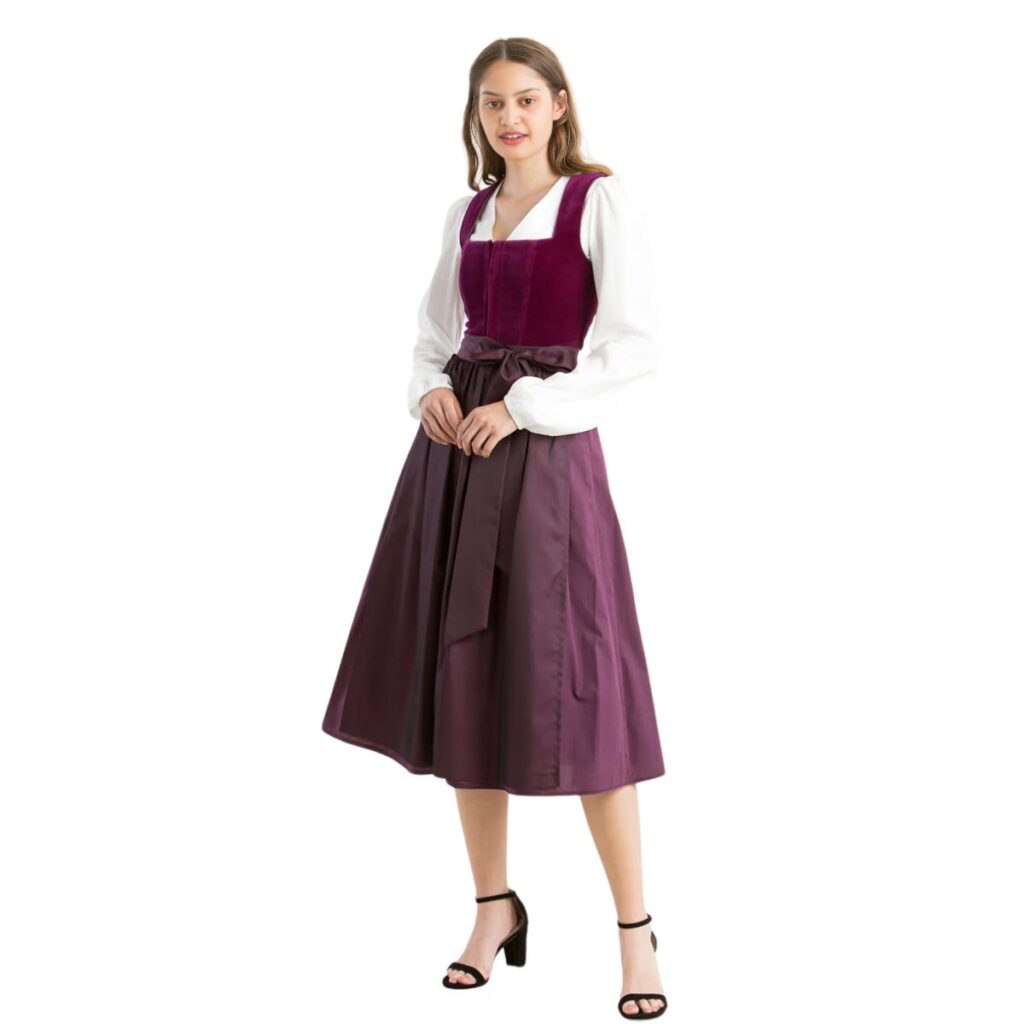
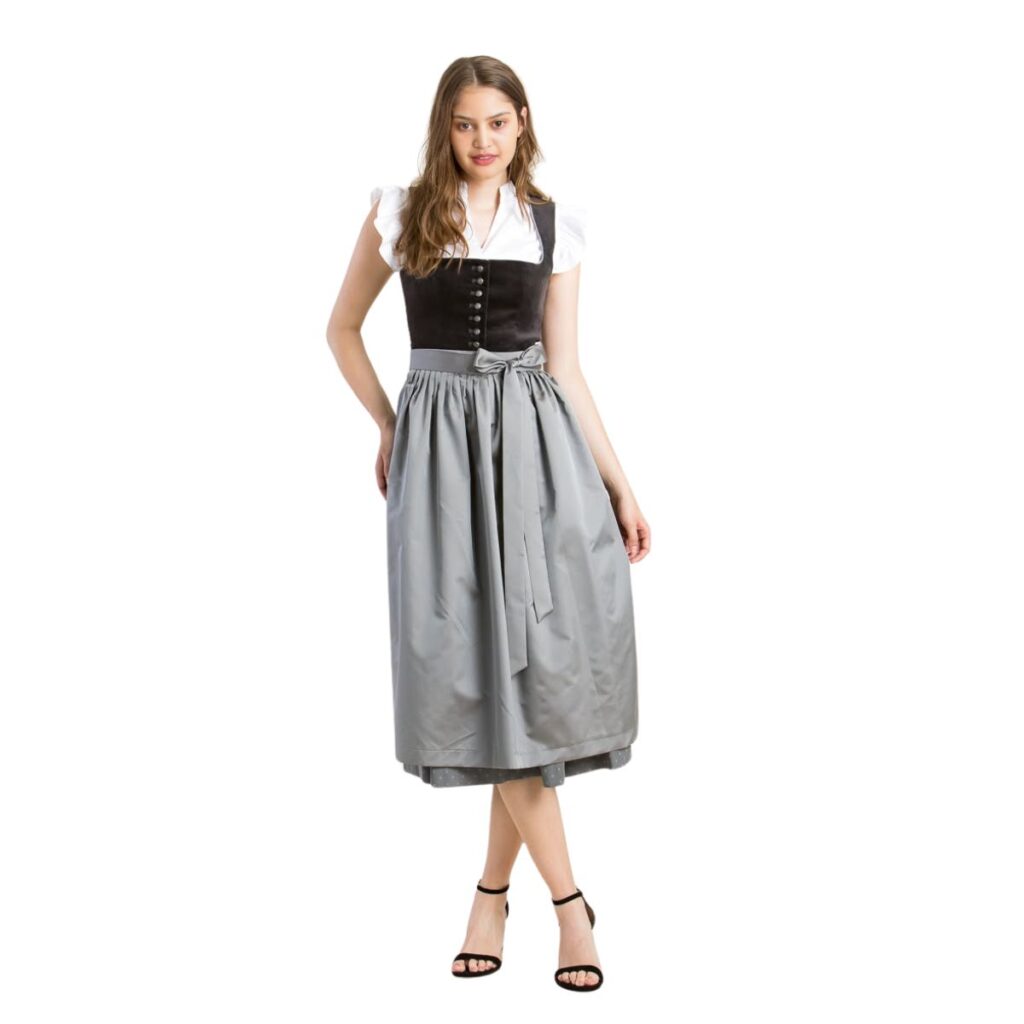
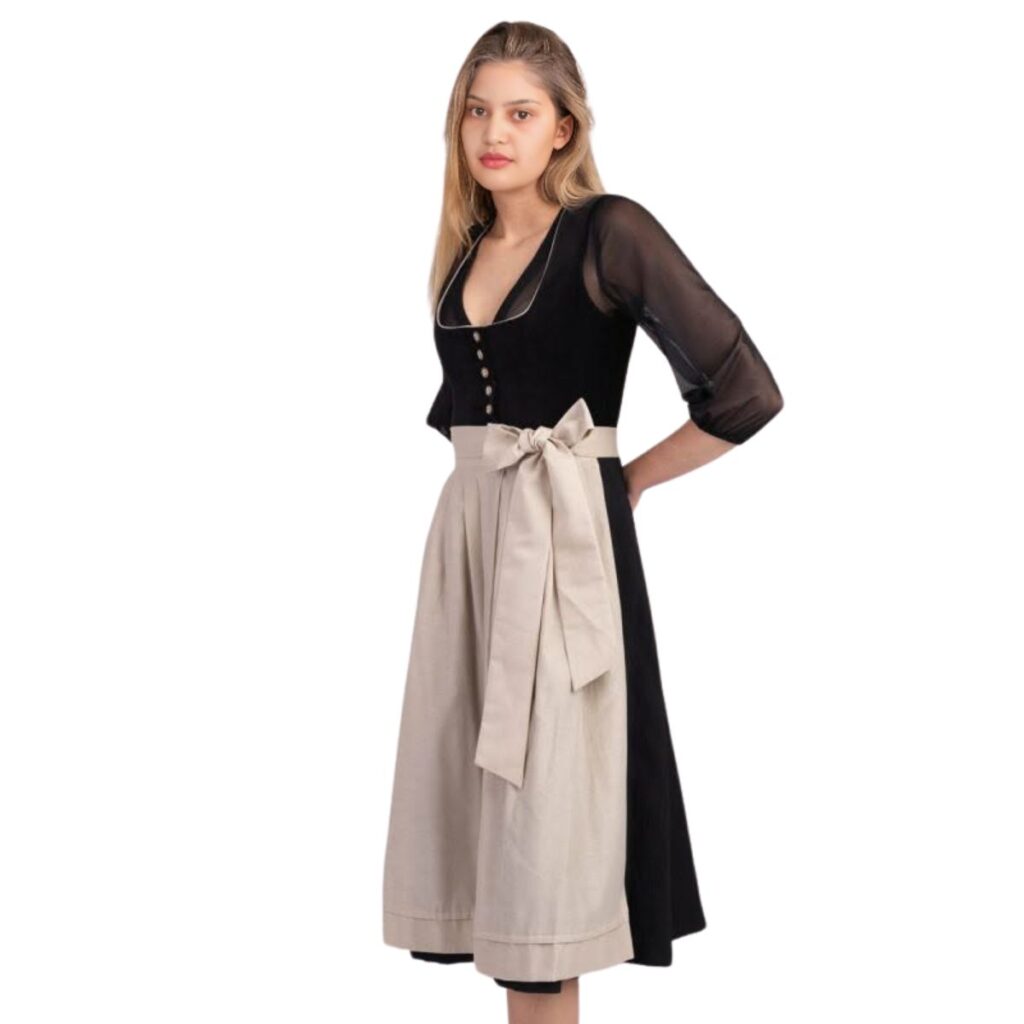
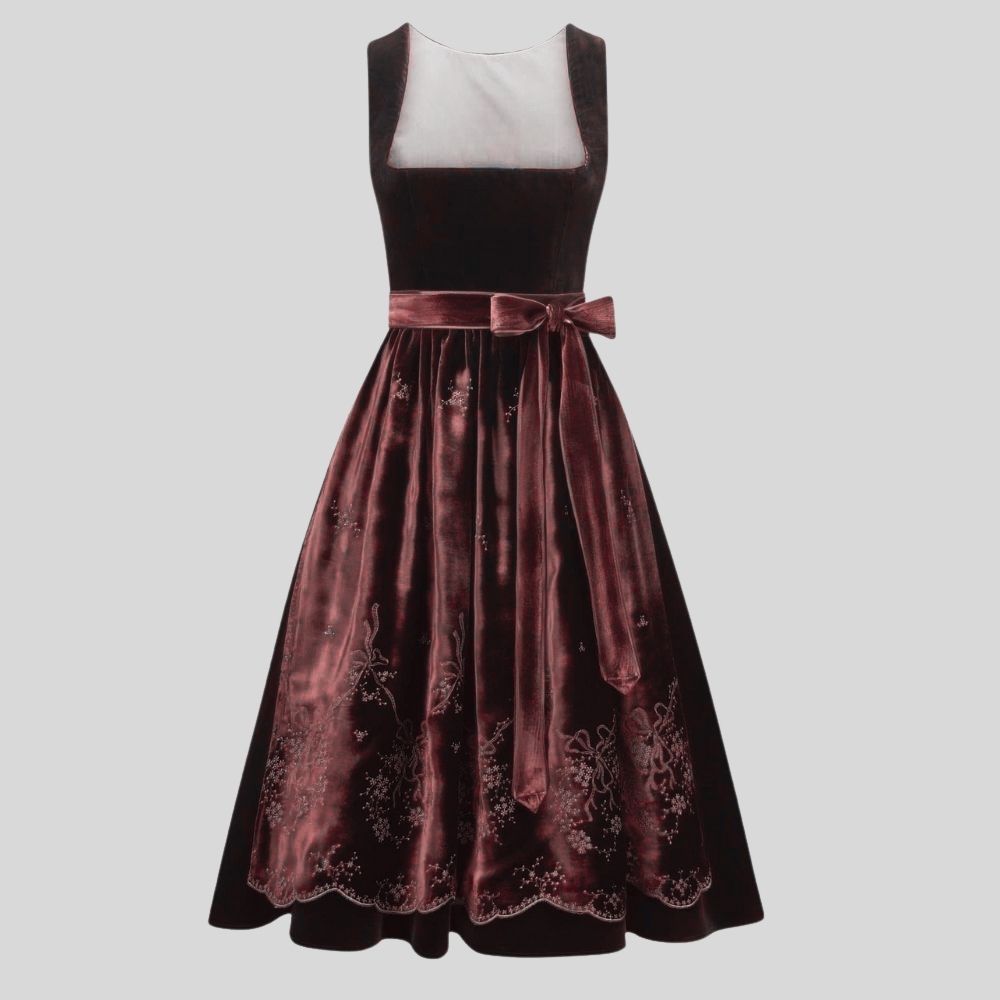
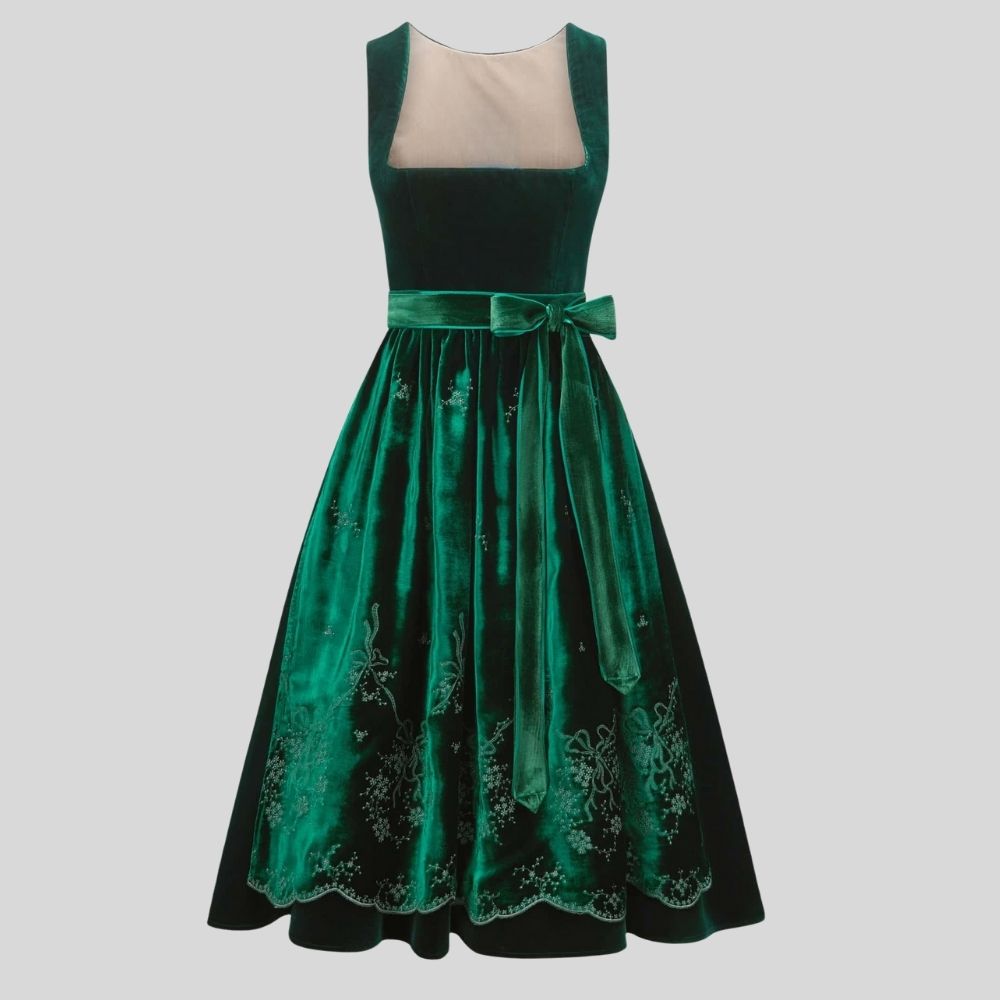
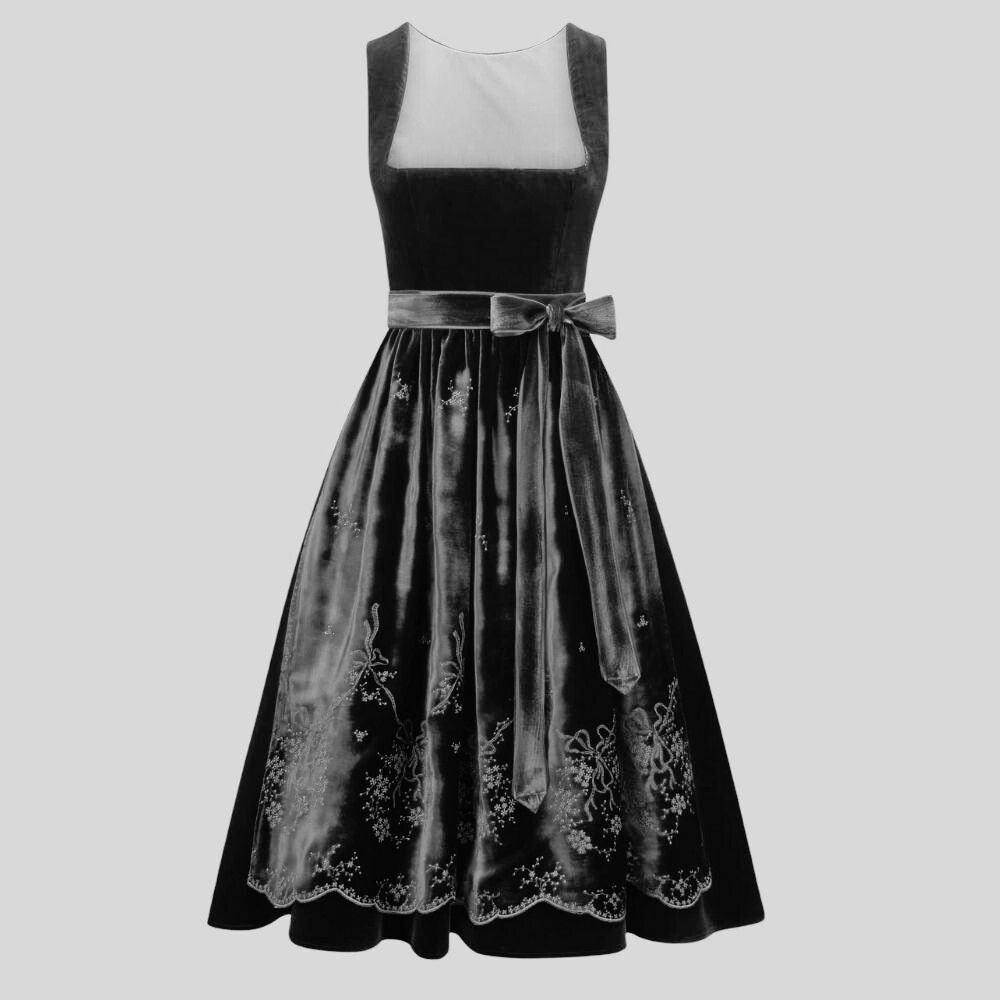
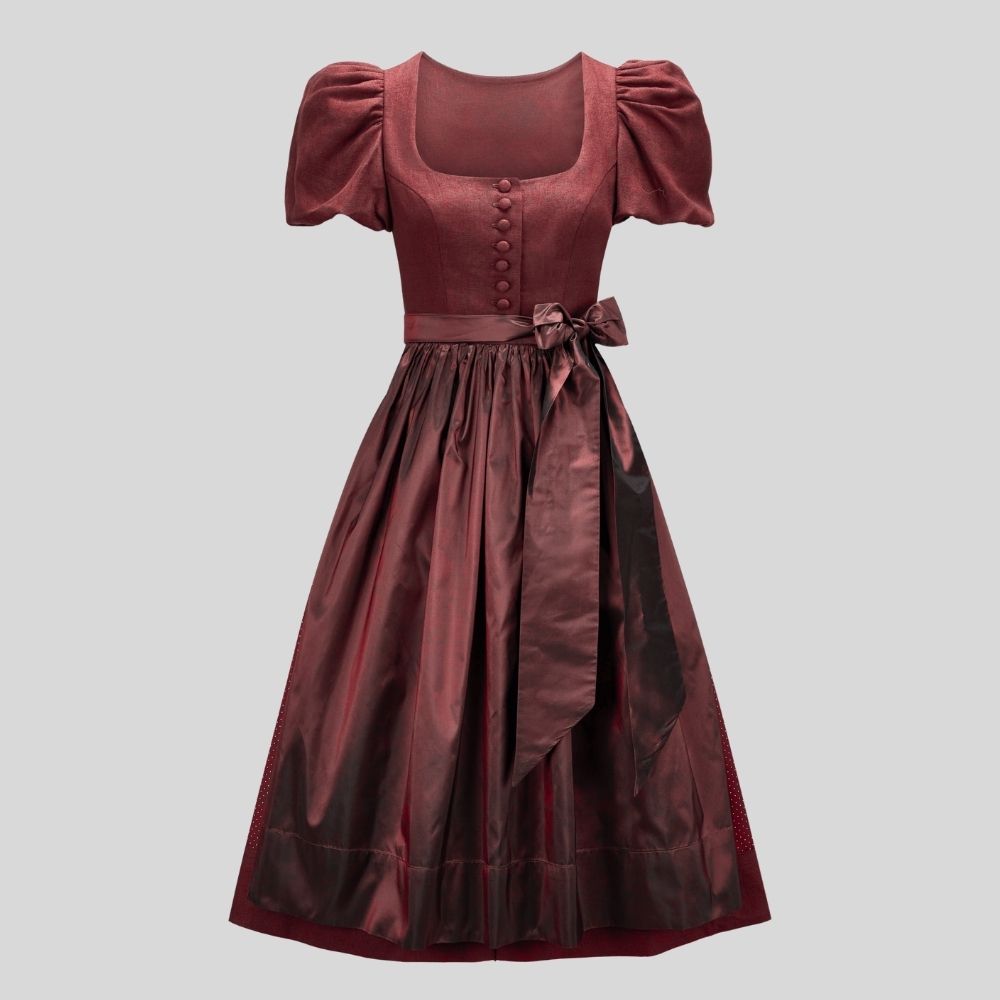
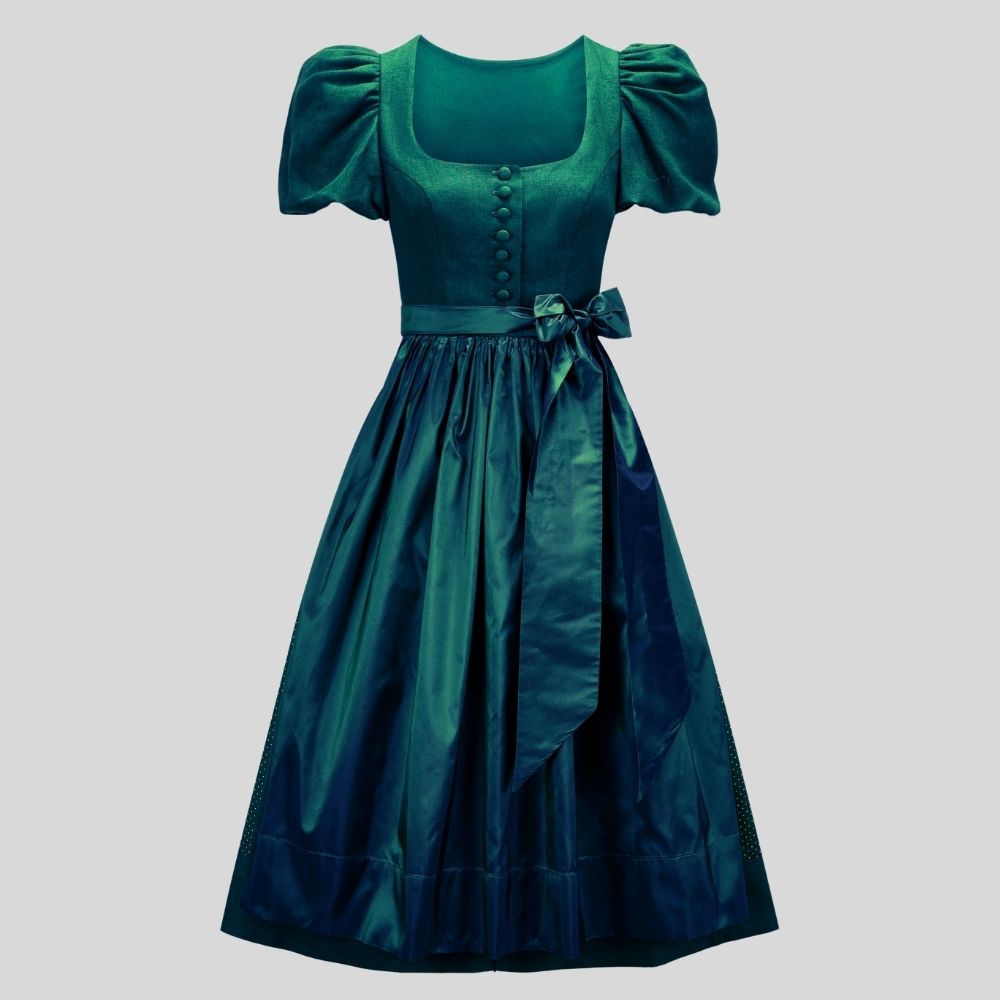
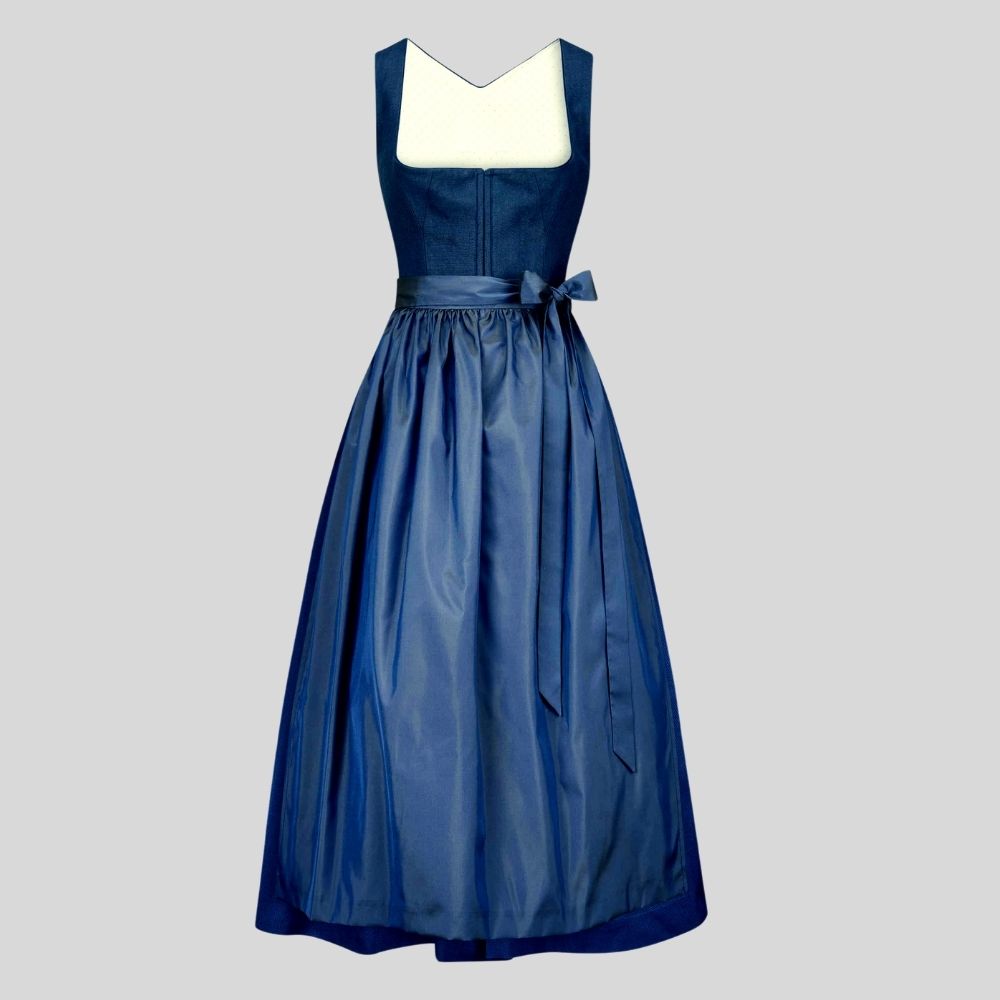
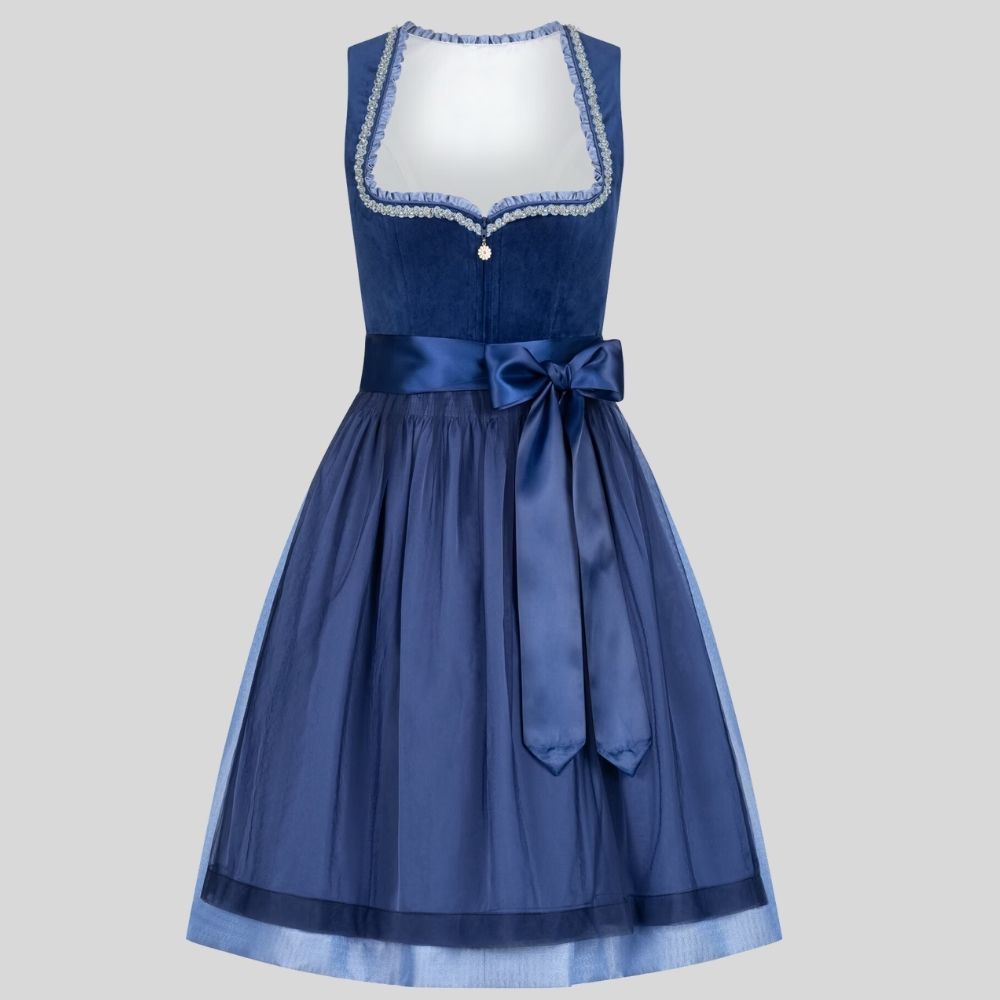
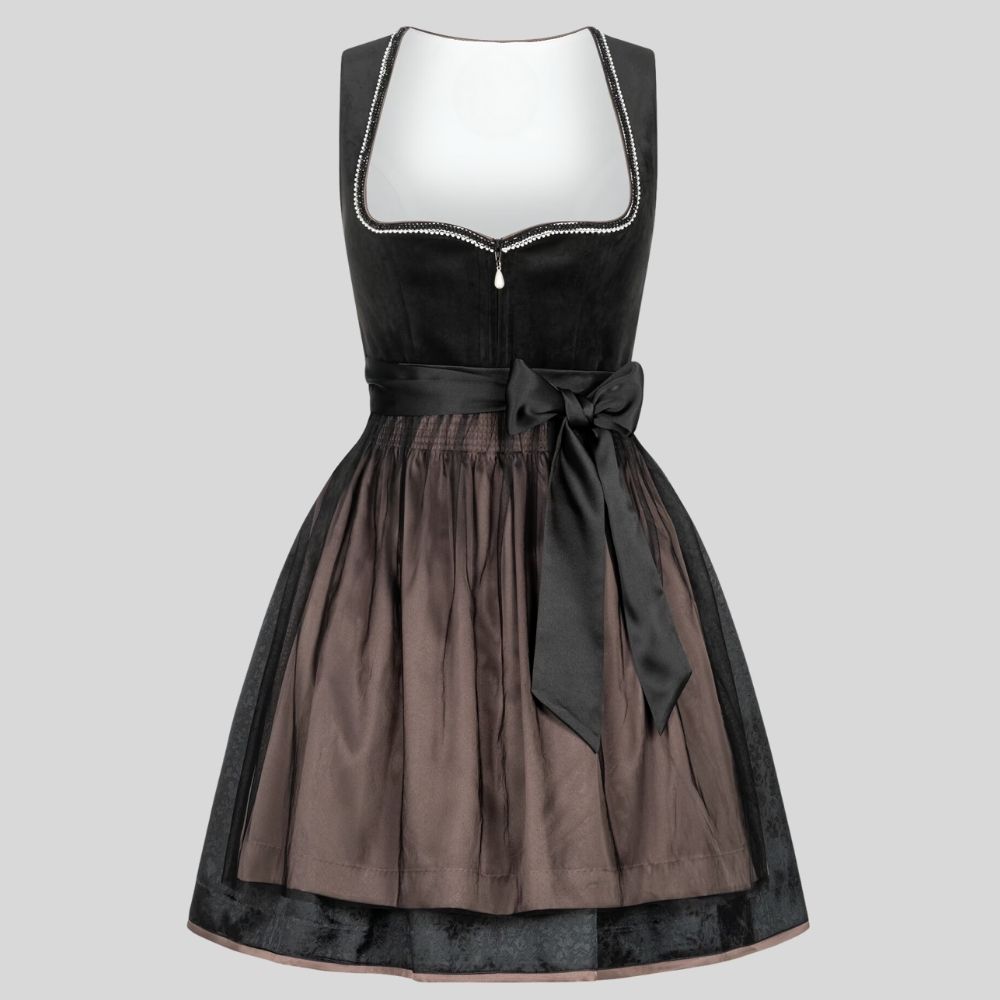
Dresses in German tradition are deeply rooted in the country’s regional folklore and historical attire. The most recognizable is the dirndl, a classic Alpine dress consisting of a bodice, blouse, full skirt, and apron. Originating in rural areas of southern Germany, Austria, and Switzerland, the dirndl was initially practical workwear but evolved into a symbol of cultural pride worn during festivals like Oktoberfest.
Another staple is the Tracht, a term encompassing traditional German attire. For women, this often includes dirndls, while men wear lederhosen (leather breeches). Beyond Bavaria, Germany’s diverse regions boast unique styles, such as the colorful Schwälmer Tracht from Hesse or the floral Miesbacher Tracht from Upper Bavaria. These dresses in German tradition are characterized by intricate embroidery, natural fabrics, and symbolic motifs reflecting local customs.
The History and Evolution of German Dresses
The history of dresses in German culture dates back centuries, shaped by geography, social class, and historical events:
18th–19th Century: Rural communities developed distinct regional styles. The dirndl emerged as practical attire for peasant women, made from durable linen or wool.
Early 20th Century: The dirndl gained popularity among urban elites and nobility, transitioning from workwear to fashionable attire. Designers began incorporating luxurious fabrics like silk and lace.
Nazi Era: Traditional Tracht was co-opted for propaganda, leading to a decline in its popularity post-World War II as people distanced themselves from nationalist symbolism.
Modern Revival: Since the 1970s, dresses in German tradition have experienced a resurgence, fueled by Oktoberfest’s global fame and a renewed interest in sustainable, heritage fashion.
Today, German dresses balance tradition with innovation, appealing to both cultural purists and modern fashion enthusiasts.
Types of Traditional Dresses in German Culture
The Dirndl:
Components: A fitted bodice, blouse, full skirt, and apron.
Symbolism: The apron’s knot indicates marital status—left (single), right (married/taken), center (widowed), or back (waitstaff).
Modern Variations: Designers experiment with shorter hemlines, bold prints, and eco-friendly fabrics.
Festtagstracht (Festive Tracht):
Worn during weddings, religious events, or festivals. Features elaborate embroidery, metallic threads, and silk accents.
Alltagsdirndl (Everyday Dirndl):
Regional Styles:
Black Forest Tracht: Recognizable by vibrant red pom-poms (Bollenhut) on hats.
Friesische Tracht (North Germany): Dark woolen dresses with silver clasps, reflecting maritime influences.
The Role of Dresses in German Celebrations
Dresses in German culture are central to festivals, rituals, and milestones:
Oktoberfest: The world’s largest beer festival sees women donning dirndls in bold colors like red, green, and blue, paired with lace blouses and braided hairstyles.
Weddings: Brides often wear white dirndls with delicate lace or embroidered floral patterns, symbolizing purity and regional pride.
Christmas Markets: Long-sleeved woolen Tracht dresses, often in deep red or green, evoke winter charm.
Fasching (Carnival): Vibrant, whimsical dresses with sequins and masks take center stage during pre-Lenten celebrations.
Modern Interpretations of German Dresses
Contemporary designers are reimagining dresses in German tradition for global audiences:
Sustainable Fashion:
Brands like Lodenfrey and Almrausch use organic cotton, hemp, and recycled materials to craft eco-conscious dirndls and Tracht.
Fusion Styles:
Mixing traditional elements with modern cuts—think dirndl-inspired minidresses or Tracht jackets paired with jeans.
High Fashion:
Designers such as Vivienne Westwood and Karl Lagerfeld have incorporated Bavarian motifs into haute couture, showcasing German dresses on international runways.
Streetwear Influence:
Urban brands blend Tracht embroidery with streetwear, creating hoodies, skirts, and accessories that honor heritage with a rebellious edge.
Why German Dresses Remain Iconic
Cultural Heritage:
Wearing dresses in German tradition connects wearers to centuries of craftsmanship and regional identity.
Timeless Aesthetic:
The dirndl’s flattering silhouette and Tracht’s rustic charm transcend fleeting trends.
Versatility:
These dresses transition seamlessly from festivals to formal events. Pair a dirndl with heels for a wedding or boots for a folk festival.
Sustainability:
Traditional German dresses are often handmade and built to last, countering fast fashion’s disposable mindset.
Global Appeal:
Oktoberfest’s popularity has turned dirndls into a global phenomenon, embraced in countries from the U.S. to Japan.
Styling German Dresses for Every Occasion
Classic Oktoberfest Look:
Dirndl: Opt for a bold red or green dress with white embroidery.
Blouse: Choose a puff-sleeve white blouse with lace trim.
Accessories: Add a heart-shaped pendant, leather handbag, and braided updo.
Urban Chic:
Winter Elegance:
Wool Tracht Dress: Select a navy or burgundy wool dress with silver embroidery.
Outerwear: Layer with a faux fur stole or velvet cape.
Footwear: Knee-high leather boots and woolen tights complete the look.
Bridal Dirndl:
Casual Day Out:
Caring for Traditional German Dresses
To preserve the beauty of dresses in German heritage:
Cleaning:
Storage:
Repairs:
Seasonal Care:
Where to Buy Authentic German Dresses
Traditional Boutiques:
Visit Dirndl-Kult in Munich or Trachten Rausch in Berlin for handcrafted designs.
Online Retailers:
Vintage Markets:
Explore flea markets in Nuremberg or Cologne for rare, heirloom-quality pieces.
Custom Designers:
Brands like Gamsbartglück create bespoke dirndls tailored to your measurements.
Conclusion: Celebrate Heritage with German Dresses
Dresses in German culture are more than garments—they’re living narratives of history, identity, and artistry. Whether you’re drawn to the dirndl’s playful charm, the Tracht’s rustic elegance, or modern reinterpretations, these dresses offer a timeless way to connect with Germany’s soul.
Embrace the craftsmanship, symbolism, and versatility of dresses in German tradition. From raising a stein at Oktoberfest to walking down the aisle, let these iconic pieces inspire your journey into a world where heritage and style dance hand in hand. Prost to the enduring magic of German fashion! 🇩🇪👗

 Original price was: $ 199.$ 119Current price is: $ 119.
 Original price was: $ 199.$ 119Current price is: $ 119.
 Original price was: $ 199.$ 119Current price is: $ 119.
 Original price was: $ 199.$ 119Current price is: $ 119.
 Original price was: $ 395.$ 215Current price is: $ 215.
 Original price was: $ 395.$ 215Current price is: $ 215.
 Original price was: $ 395.$ 215Current price is: $ 215.
 Original price was: $ 350.$ 205Current price is: $ 205.
 Original price was: $ 350.$ 205Current price is: $ 205.
 Original price was: $ 199.$ 115Current price is: $ 115.
 Original price was: $ 250.$ 119Current price is: $ 119.
 Original price was: $ 250.$ 119Current price is: $ 119.
 Original price was: $ 199.$ 115Current price is: $ 115.
 Original price was: $ 129.$ 112Current price is: $ 112.
 Original price was: $ 129.$ 112Current price is: $ 112.
 Original price was: $ 150.$ 119Current price is: $ 119.
