
Austrian Black Wool Dirndl Dress – Timeless Alpine Elegance for Every Occasion
Introduction: The Iconic Austrian Black Wool Dirndl Dress
When it comes to traditional European fashion, nothing commands attention quite like the Austrian Black Wool Dirndl Dress. A garment steeped in centuries of Alpine heritage, the Austrian Black Wool Dirndl Dress is not merely a costume — it is a living, breathing piece of cultural artistry that bridges the past and present with effortless grace. Whether you’re attending Oktoberfest, a Bavarian-themed celebration, a folk festival, a winter wedding, or simply embracing the timeless aesthetic of European folk fashion, this iconic dress delivers unmatched style, warmth, and authenticity.
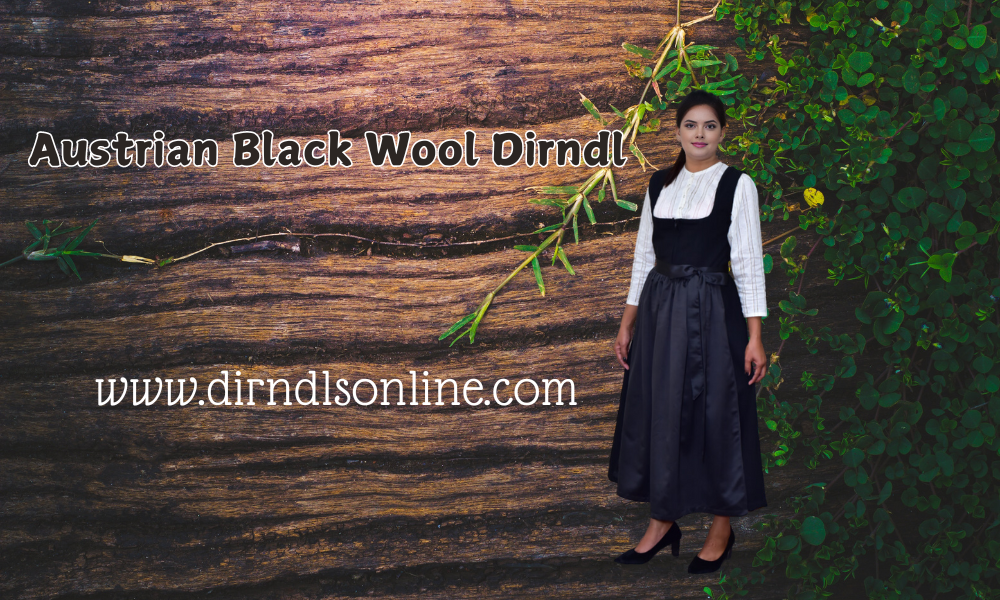
The black wool Dirndl stands apart from its lighter, cotton counterparts. Its rich, deep color and premium wool fabric give it a sophisticated, formal edge, making it suitable not just for seasonal festivals but for formal events, holiday gatherings, and everyday elegant wear. With its structured bodice, full skirt, and optional apron, the Austrian Black Wool Dirndl Dress is an enduring symbol of femininity, craftsmanship, and cultural pride.
In this detailed guide, we explore everything you need to know about the Austrian Black Wool Dirndl Dress — from its historical roots and design elements to how to style it, when to wear it, and why it belongs in every wardrobe that values both tradition and elegance.
Our newest arrivals


A Brief History of the Dirndl: From Alpine Villages to Global Runways
The word Dirndl is derived from the Austrian German diminutive of Dirn, meaning “girl” or “maiden.” Originally, the Dirndl was the working dress of Alpine rural women in Austria, Bavaria, and the surrounding German-speaking regions of Central Europe. Dating back to the 16th and 17th centuries, the garment was practical, modest, and regionally specific — each valley and village had its own variation in color, embroidery style, and apron design.
Over the centuries, the Austrian Dirndl dress evolved from peasant workwear to an emblem of national identity. By the 19th century, it had been adopted by the Viennese upper class as a romantic reimagining of rural culture. The Dirndl became fashionable, refined, and eventually codified as Tracht — traditional costume — worn at festivals, church events, and public celebrations throughout Austria and Bavaria.
The black Dirndl dress, in particular, holds a place of special honor. In Alpine tradition, black was worn during periods of mourning but also at formal occasions, signaling respect, dignity, and solemnity. Over time, the black wool Dirndl evolved into a garment associated with elegance and evening wear, worn at more formal festivals, harvest celebrations, and winter events. Today, the Austrian Black Wool Dirndl Dress represents the pinnacle of traditional Alpine fashion — refined, versatile, and enduringly beautiful.
Why Choose an Austrian Black Wool Dirndl Dress?
1. Premium Wool Fabric for Warmth and Structure
The most distinguishing feature of the Austrian Black Wool Dirndl Dress is its fabric. Unlike summer Dirndls made from cotton, linen, or synthetic blends, the wool Dirndl is crafted from high-quality Alpine wool — a material that has been prized for centuries for its warmth, durability, and natural texture. Wool provides natural insulation, making the black wool Dirndl dress ideal for autumn festivals, winter celebrations, and cold-weather outdoor events.
Wool also holds its shape beautifully. The structured bodice of the Austrian Black Wool Dirndl Dress maintains its form throughout the day and evening, giving the wearer an elegant, tailored silhouette that other fabrics cannot replicate. The weight of the fabric adds a luxurious, premium feel that immediately sets a wool Dirndl apart from lighter alternatives.
2. A Versatile Color for Every Occasion
Black is universally flattering, timeless, and endlessly versatile. The black Dirndl can be dressed up or down depending on the accessories and apron you choose. Pair it with a white lace blouse and a silk apron for formal events. Choose a checkered or embroidered apron for a more casual, folk-inspired look. Add gold or silver jewelry for evening glamour, or keep it simple with wooden buttons and natural accessories for a classic Alpine aesthetic.
This versatility makes the Austrian Black Wool Dirndl Dress a wardrobe investment that pays dividends across seasons and occasions — from Oktoberfest and Christkindlmarkt to holiday dinners, themed weddings, and cultural events worldwide.
3. Authentic Austrian Craftsmanship
When you purchase an authentic Austrian Black Wool Dirndl, you are investing in genuine artisanal craftsmanship. Traditionally made Dirndls are assembled with meticulous attention to detail — from the hand-stitched embroidery on the bodice to the precision-tailored waistband and the full, gathered skirt. Austrian Dirndl makers have perfected their craft over generations, and this expertise is visible in every seam, button, and fold of the garment.
Many Austrian black wool Dirndl dresses feature traditional design elements such as decorative lacing on the bodice, silver or pewter clasps, intricate embroidery on the collar and cuffs, and carefully balanced proportions that flatter a wide range of body types. This is fashion as folk art — functional, beautiful, and deeply meaningful.
Key Design Elements of the Austrian Black Wool Dirndl Dress
Understanding the anatomy of the Austrian Black Wool Dirndl Dress helps you appreciate the thought and tradition that goes into each garment.
The Bodice (Leibl)
The bodice — known in Austrian German as the Leibl — is the defining element of any Dirndl. In the black wool Dirndl, the bodice is typically close-fitting, often boned or structured with internal support to create a flattering, corseted silhouette. The front closure may feature traditional hook-and-eye fastenings, decorative buttons, or lace-up ribbons. Embroidery on the bodice — often in silver, white, or contrasting dark tones — adds artistic detail without overwhelming the sophistication of the black fabric.
The Blouse (Dirndlbluse)
Worn beneath the bodice, the Dirndl blouse is an essential companion to the Austrian Black Wool Dirndl Dress. Traditional blouses are made from white cotton, linen, or fine silk and feature puffed sleeves, lace trim, and delicate embroidery. The blouse softens the structured bodice and adds a layer of femininity and historical authenticity. For formal occasions, a white lace blouse with ruffle detailing is the traditional pairing with a black Dirndl dress.
The Skirt (Rock)
The skirt of the Austrian black wool Dirndl dress is full, gathered, and typically falls to the knee or midi length, though floor-length versions exist for formal events. The wool fabric gives the skirt a satisfying weight and a graceful drape as the wearer moves. A fully gathered skirt requires several meters of fabric, which contributes to the sense of luxury and abundance that defines a high-quality traditional Austrian Dirndl.
The Apron (Schürze)
The apron is both decorative and symbolic in Dirndl culture. For the black wool Dirndl, aprons in contrasting colors — such as deep red, forest green, royal blue, or pure white — create a striking visual effect. Silk aprons add elegance; embroidered cotton aprons add folk charm. In Alpine tradition, the way a woman ties her apron bow carries hidden meaning: tied on the right means she is taken; tied on the left means she is single. Center knot signifies widowhood. It’s a charming detail that adds a layer of cultural storytelling to the Austrian Dirndl dress.
How to Style the Austrian Black Wool Dirndl Dress
Styling your Austrian Black Wool Dirndl Dress correctly elevates the look from festive costume to sophisticated cultural fashion.
Footwear
Traditional footwear for a black Dirndl includes:
- Mary Jane heels in black or nude leather for formal events
- Ballerina flats with embroidered detailing for daytime wear
- Ankle boots in dark leather for autumn festival wear
- Loafers or Oxford shoes for a modern, fashion-forward interpretation
Avoid overly casual footwear like sneakers or flip-flops, which break the elegant tone of the Austrian wool Dirndl dress.
Jewelry and Accessories
Accessories should complement, not compete with, the beauty of the Austrian Black Wool Dirndl Dress. Traditional choices include:
- Edelweiss brooches pinned to the bodice
- Silver or gold chain necklaces with Alpine pendants
- Pearl earrings for a refined, evening-appropriate look
- Coin bracelets or filigree bangles inspired by Alpine folk jewelry
- A classic Bavarian hat (Tirolerhut) for a festive, complete traditional look
Hair and Makeup
Dirndl fashion pairs beautifully with classic, feminine hairstyles. Consider:
- Braided updos or milkmaid braids for an authentically Alpine look
- Soft waves with decorative pins or fresh flowers for a romantic effect
- Low chignons with ribbon accents for formal occasions
Makeup should be polished and classic — a red lip or a smoky eye complements the deep black of the Austrian Black Wool Dirndl Dress without overwhelming its elegance.
When and Where to Wear the Austrian Black Wool Dirndl Dress
The Austrian Black Wool Dirndl Dress is far more versatile than many people realize. Here are the occasions where it shines:
Oktoberfest and Folk Festivals: The most famous context for Dirndl fashion, these events celebrate Alpine culture in all its exuberance. A black wool Dirndl offers a sophisticated alternative to the more common blue or green cotton Dirndls, making the wearer stand out as a connoisseur of traditional fashion.
Winter Christmas Markets (Christkindlmarkt): The warmth of the wool fabric makes the Austrian Black Wool Dirndl Dress a natural choice for winter outdoor markets, where temperatures can be cold and the atmosphere is festive and magical.
Formal Dinners and Banquets: With the right accessories, the black wool Dirndl transitions effortlessly into formal evening wear — a uniquely European approach to black-tie dressing that honors heritage while making a bold fashion statement.
Themed Weddings and Events: Austrian and Bavarian-themed weddings frequently feature Dirndl dress codes. A black Dirndl is an elegant and sophisticated choice for both guests and members of the wedding party.
Cultural Performances and Theater: Folk dancing, traditional music performances, and cultural festivals worldwide welcome the Austrian Dirndl dress as appropriate and celebratory attire.
Halloween and Costume Events: While the Austrian Black Wool Dirndl Dress is far too refined to be considered merely a costume, it makes an outstanding choice for themed events — elegant, authentic, and immediately recognizable.
Caring for Your Austrian Black Wool Dirndl Dress
A high-quality black wool Dirndl dress is an investment, and proper care will ensure it lasts for decades.
Dry Cleaning: Wool Dirndls should ideally be dry cleaned to preserve the structure of the fabric, the color integrity, and any delicate embroidery or embellishments.
Hand Washing: If hand washing is necessary, use cold water and a gentle wool detergent. Never wring the fabric — gently press out excess water and lay flat to dry on a clean towel.
Storage: Store your Austrian Black Wool Dirndl Dress on a padded hanger in a breathable garment bag. Avoid plastic bags, which trap moisture. Cedar blocks can help deter moths without the harshness of chemical moth repellents.
Steaming: Steam rather than iron wool fabric to remove wrinkles. Direct iron contact can damage wool fibers and leave permanent marks on the fabric’s surface.
Spot Cleaning: Address small stains immediately with a damp cloth and gentle dabbing motion. Never rub wool fabric aggressively, as this causes pilling and fiber damage.
Sizing Guide for the Austrian Black Wool Dirndl Dress
Austrian Dirndl sizing differs from standard European and American sizing charts. When purchasing an Austrian Black Wool Dirndl Dress, it’s important to measure accurately:
- Bust: Measure around the fullest part of your chest.
- Waist: Measure the narrowest part of your natural waist.
- Hips: Measure around the fullest part of your hips.
- Length: Measure from your natural waist to where you want the skirt to fall (knee, midi, or floor length).
Most authentic Austrian Dirndl dress makers offer custom sizing options, which is highly recommended for the best fit. The structured bodice of the black wool Dirndl is designed to be fitted and corseted — a size that accommodates your bust measurement with a closing bodice is ideal.
The Cultural Significance of the Austrian Black Wool Dirndl Dress
Beyond fashion, the Austrian Black Wool Dirndl Dress carries deep cultural and social significance. It is classified as Tracht — traditional Austrian folk costume — and wearing it is an act of cultural participation and respect. In Austria, the Dirndl is worn with pride at state occasions, traditional holidays like Erntedankfest (Harvest Thanksgiving), and religious celebrations such as Fronleichnam (Corpus Christi processions).
The black Dirndl dress specifically is associated with the more formal occasions in the Alpine tradition, reflecting the dual role of black in European culture: mourning and solemnity on one hand, elegance and formality on the other. Modern Austrian fashion designers have embraced the black wool Dirndl as a bridge between traditional heritage and contemporary couture — appearing in runway collections, high-end boutiques in Vienna and Salzburg, and international fashion exhibitions.
Wearing an Austrian Black Wool Dirndl Dress is, therefore, more than a style choice — it is a statement of appreciation for living cultural heritage, craftsmanship, and the enduring beauty of Alpine tradition.
Frequently Asked Questions About the Austrian Black Wool Dirndl Dress
Q: What is the difference between an Austrian Dirndl and a German Dirndl?
While both share the same basic silhouette and structure, Austrian Dirndls tend to feature more elaborate embroidery, slightly different apron styles, and regional variations specific to provinces like Tyrol, Salzburg, and Styria. German (Bavarian) Dirndls are closely related and often nearly indistinguishable to the untrained eye, but subtle differences in fabric, color tradition, and decorative elements exist.
Q: Is a black Dirndl appropriate for Oktoberfest?
Absolutely. While the classic image of Oktoberfest fashion features brighter colors, the black Dirndl is entirely appropriate and is often seen as a more sophisticated, fashion-conscious choice. Pair it with a richly colored apron and classic accessories for a look that is both authentic and striking.
Q: Can I wear the Austrian Black Wool Dirndl Dress in warmer months?
Wool can be warm, so the black wool Dirndl is best suited for autumn, winter, and early spring events. For summer festivals, a cotton or linen Dirndl in black would achieve a similar aesthetic with better breathability.
Q: Where can I buy an authentic Austrian Black Wool Dirndl Dress?
Authentic Austrian Dirndl dresses are available from traditional costume makers (Trachtenmacher) in Austria, reputable European online retailers specializing in Tracht fashion, and select international boutiques. Always look for genuine wool fabric, traditional construction details, and clear sizing guides when purchasing.
Conclusion: Invest in the Austrian Black Wool Dirndl Dress
The Austrian Black Wool Dirndl Dress is not a trend. It is not a passing fashion moment. It is a garment with centuries of history, extraordinary craftsmanship, and a cultural resonance that transcends borders and generations. Whether you are exploring Alpine heritage for the first time or adding to an established collection of Tracht fashion, the black wool Dirndl is a purchase that rewards you every time you wear it.
From its premium wool fabric and structured bodice to its graceful skirt and endlessly versatile black palette, the Austrian Black Wool Dirndl Dress offers elegance, authenticity, and cultural meaning in a single garment. It is the kind of dress that draws admiration at festivals and formal occasions alike — a timeless investment in fashion, heritage, and personal style.
Order your Austrian Black Wool Dirndl Dress today and step into a tradition that has captivated the world for centuries.