
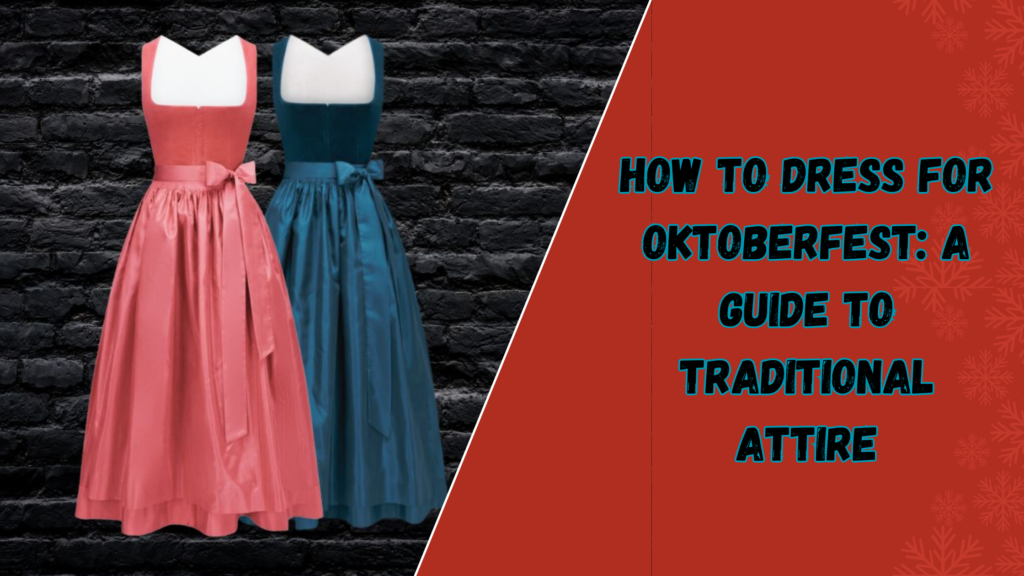
How to Dress for Oktoberfest: Complete 2026 Guide
Knowing how to dress for Oktoberfest is one of the most important things you can do before attending the world’s largest folk festival in Munich. The right outfit does more than make you look the part — it connects you to centuries of Bavarian tradition, earns you genuine respect from locals, and makes the entire experience more enjoyable. Whether you are attending for the first time or returning for another year, this complete 2026 guide covers everything you need — from authentic dirndls and lederhosen to accessories, fabrics, and what to avoid.
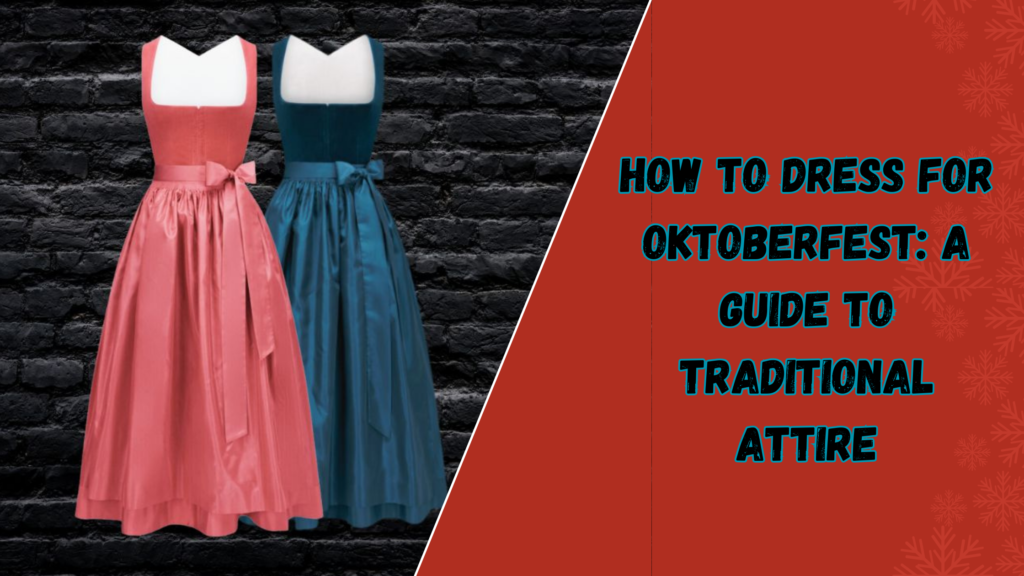
Why traditional Oktoberfest attire matters
Oktoberfest is not a costume party. It is a living cultural tradition that has been celebrated in Munich since 1810, and the clothing worn there carries real meaning. When you wear an authentic dirndl or lederhosen, you are not dressing up — you are dressing in. Locals notice the difference between someone wearing a mass-produced polyester outfit bought from a Halloween shop and someone wearing genuine Bavarian Trachten. Authentic attire opens doors, starts conversations and shows respect for the culture you are entering.
Beyond respect, traditional clothing is simply more practical. The fabrics — cotton, linen, wool and velvet — are breathable and durable, designed for long days of walking, standing, dancing and celebrating. A well-made dirndl or lederhosen will outlast many Oktoberfest seasons and can be worn at other Bavarian events, cultural festivals and themed celebrations throughout the year.
How to dress for Oktoberfest: women’s guide
The dirndl is the traditional women’s outfit for Oktoberfest and the most important garment to understand. It consists of four elements: a fitted bodice, a blouse, a full skirt and an apron. Each element has its own rules, traditions and modern variations.
Choosing your dirndl style
Dirndls come in three main lengths, and each sends a different signal:
- Mini dirndl (above the knee) — modern and youthful, popular at the festival but less traditional. Best suited to daytime visits and younger attendees.
- Midi dirndl (just below the knee) — the most popular length at Oktoberfest, striking the right balance between tradition and practicality. This is the length you will see most often in the beer tents.
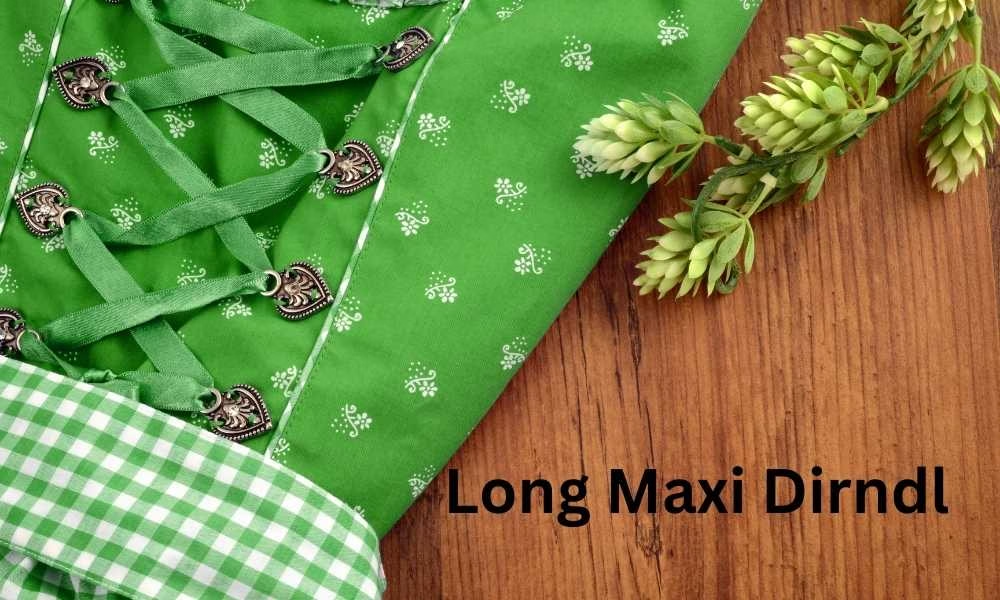
- Maxi dirndl (ankle length) — the most formal and traditional option. Ideal for evening celebrations, weddings or anyone who wants the full classic Bavarian look.
When it comes to fabric, velvet dirndls are the most luxurious and best suited to cooler evenings in September and October. Cotton dirndls are lighter and more comfortable during warmer afternoon sessions. Linen blends sit between the two — breathable but with a refined appearance.
The blouse
The dirndl blouse is worn underneath the bodice and is always visible at the neckline and sleeves. Traditional blouses are white and come in a range of styles — puff sleeves, lace detailing, ruched necklines and embroidered edges. The neckline is typically low-cut and fitted, framing the bodice beautifully. Always choose a blouse made specifically for dirndls rather than a standard shirt, as the proportions are designed to work with the bodice structure.
The apron and its secret meaning
One of the most charming traditions at Oktoberfest is the hidden meaning of the apron bow. The way you tie the bow signals your relationship status:
- Left side — single and available
- Right side — taken, married or in a relationship
- Centre front — traditionally worn by virgins or young girls
- Centre back — widowed
This tradition is widely observed and talked about at the festival, so where you tie your bow will likely attract friendly comments from those around you.
Women’s footwear and accessories
Comfort is essential at Oktoberfest. You will walk long distances on cobblestones and stand for hours in the beer tents, so your footwear needs to keep up. Traditional options include low-heeled leather pumps, ankle boots or Haferlschuhe — the classic Bavarian leather shoe with a thick sole. Avoid high heels. Even if you start the evening feeling comfortable, heels become unbearable by hour three on uneven ground.
For accessories, a simple necklace with traditional motifs — edelweiss flowers, hearts or braided leather — completes the look beautifully. A small Trachtentasche (a traditional fabric or leather bag) keeps your essentials close without overwhelming the outfit. In the evenings, a light wool shawl or embroidered cardigan adds warmth without breaking the aesthetic.
How to dress for Oktoberfest: men’s guide
For men, the equivalent of the dirndl is the lederhosen — leather shorts or breeches that have been worn in the Alpine region for centuries. Like the dirndl, lederhosen come with specific rules about what goes with them and how to wear them correctly.
Choosing lederhosen
Lederhosen come in two main lengths — short (above the knee) and long (below the knee or full length, known as bundhosen). Short lederhosen are by far the most common at Oktoberfest and are the traditional choice for the festival. They are typically made from deer hide, goat leather or suede, and quality leather will last for decades with proper care.
Look for lederhosen with:
- Genuine leather rather than synthetic alternatives
- Traditional embroidery on the bib and legs — stag, edelweiss and oak leaf motifs are common
- Attached suspenders (Hosenträger) in matching leather
- A Latz (flap at the front) — the traditional closure system
The shirt
The traditional shirt worn with lederhosen is a Trachtenhemd — a checked or plain shirt in earthy tones. Classic patterns include blue and white check, red and white check, or plain white. The shirt is typically made from cotton or linen with a comfortable, relaxed fit. Avoid synthetic fabrics as they feel uncomfortable in the warm beer tents and do not look authentic.
For cooler weather, a Janker (a traditional wool jacket with decorative buttons and embroidery) or a Weste (waistcoat) worn over the shirt is both practical and authentic. These garments are available in grey, green, navy and brown and add a layer of warmth without compromising the traditional look.
Men’s footwear and accessories
The traditional footwear for lederhosen is Haferlschuhe — sturdy leather shoes with a thick sole and a side seam running up to the ankle. They are available in brown and dark brown and are designed for the kind of terrain and long days that Oktoberfest involves. Worn with knee-high woollen socks (Loferl or Wadlstrümpfe), they complete the authentic Bavarian look.
For accessories, a traditional Tirolerhut — a felt hat with a feather or Gamsbart brush — is the finishing touch that separates a well-dressed festival-goer from someone who made a real effort. A Charivari (a decorative chain worn across the front of the lederhosen, often featuring small silver charms, coins or animal teeth) is another authentic detail that knowledgeable locals will notice and appreciate.
What colours to wear at Oktoberfest
Traditional Oktoberfest colours reflect the natural world of the Bavarian Alps — forest greens, deep blues, rich reds, burgundy, navy and earthy browns. These are the colours you will see most often in the beer tents and on the streets of Munich during the festival. For women, classic colours like deep green, burgundy and navy are timeless choices that look sophisticated and authentic. Floral and checked patterns are also traditional and very popular.
For men, lederhosen tend to come in natural leather tones — tan, brown and dark brown — which pair naturally with checked shirts in blue, red or green. The Janker and waistcoat are often in grey or forest green, creating a coordinated but not matchy-matchy look.
Avoid neon colours, novelty prints or anything that looks more like a costume than clothing. Bright pink, electric blue or sequined dirndls might get you noticed, but they signal to locals that you are treating the festival as a fancy dress event rather than a cultural celebration.
Where to buy authentic Oktoberfest attire
Finding genuine, high-quality traditional attire is easier than ever in 2026, thanks to specialist online shops. When buying a dirndl or lederhosen online, look for the following signs of quality:
- Natural fabrics — cotton, linen, wool and genuine leather rather than polyester blends
- Traditional construction — structured bodices with boning, proper lacing and full lining
- Detailed embroidery — hand-finished or machine embroidery on bodices, aprons and shirt collars
- Inclusive sizing — authentic shops offer sizes from small to plus-size, recognising that traditional dress is for everyone
- Complete sets — blouse, bodice, skirt and apron sold together so proportions match
At Dirndls Online, we offer a full range of authentic dirndl dresses and lederhosen with free worldwide shipping, including to the UK, USA, Germany, Austria, the Netherlands, Switzerland and Australia. Our collection includes plus-size dirndls, midi-length styles, velvet dirndls and authentic lederhosen for men.
Practical tips for dressing at Oktoberfest 2026
Getting your outfit right is only half the battle. Here are the practical tips that make the difference between a comfortable day and a miserable one:
Plan for the weather
Oktoberfest 2026 runs from 19 September to 4 October. Munich in late September and early October is unpredictable — warm sunny afternoons can quickly give way to cool evenings and occasional rain. Layering is the key. A light shawl or wool cardigan for women and a Janker for men are ideal for transitioning between the warm, crowded beer tents and the cooler outdoor areas.
Break in your shoes before you go
Nothing ruins a day at Oktoberfest faster than blisters. Whether you are wearing new Haferlschuhe or leather pumps, wear them around the house for several days before the festival to soften the leather and mould them to your feet. On the day, wear comfortable socks — wool blends for men, thin cotton for women — and carry a small pack of blister plasters just in case.
Order early for best selection
The best dirndls and lederhosen sell out quickly, particularly in popular sizes. If you are attending Oktoberfest 2026, aim to order your outfit by July at the latest. This gives you time for delivery, any adjustments, and the chance to break everything in before the festival.
Renting is a valid option
If you are only attending Oktoberfest once and do not want to invest in a full outfit, renting traditional attire is a completely acceptable option. Many shops in Munich offer rental services. However, if you plan to return in future years or attend other German and Austrian festivals, purchasing your own outfit is a much better long-term investment — especially since quality Trachten lasts for many years with proper care.
What not to wear at Oktoberfest
As important as knowing what to wear is knowing what to avoid:
- Polyester dirndls or lederhosen — they look cheap, feel uncomfortable and are easy to spot
- High heels — completely impractical on cobblestones and in crowded tents
- Novelty or joke outfits — neon colours, inflatable costumes or generic “German” outfits from party shops
- Casual jeans and t-shirts — while not banned, they signal you did not make the effort and you may find it harder to get into premium beer tents
- Overly revealing outfits — while dirndl necklines can be low, anything that goes beyond traditional proportions looks out of place
Frequently asked questions about dressing for Oktoberfest
Do I have to wear traditional clothing to Oktoberfest?
You are not required to wear traditional clothing to attend Oktoberfest. However, it is strongly encouraged and makes the experience significantly more enjoyable. Many premium beer tents have an unwritten preference for guests in Trachten, and wearing traditional attire helps you blend in with locals and join in the spirit of the festival fully.
How much should I spend on a dirndl or lederhosen?
Quality dirndls start at around £100–£150 for a well-made cotton or linen style. Velvet dirndls and premium embroidered options range from £150–£300. Authentic leather lederhosen typically start at £100 and can go significantly higher for handcrafted, hand-embroidered pieces. Avoid anything priced under £50 — at that price point, the fabric will be synthetic and the construction poor.
Can non-Bavarians wear traditional Oktoberfest clothing?
Absolutely. The overwhelming consensus among Bavarians and festival organisers is that wearing traditional clothing respectfully is a form of cultural appreciation, not appropriation. The key is to wear genuine, well-made Trachten rather than a novelty costume. When you make the effort to dress authentically, locals respond warmly.
What should children wear to Oktoberfest?
Children’s Trachten mirrors adult styles exactly — mini dirndls for girls and small lederhosen for boys. Many families dress in matching or coordinating outfits, making for wonderful photographs. Children’s Trachten is widely available online and in Munich shops.
Dress well and celebrate authentically
Knowing how to dress for Oktoberfest transforms the experience from tourist to participant. A genuine dirndl or lederhosen connects you to a tradition stretching back over two centuries, earns you respect from locals, and makes the photographs worth keeping forever. Whether you are shopping for your first Oktoberfest outfit or upgrading to something more authentic for 2026, the investment in quality traditional attire is one of the best decisions you can make before the festival.
Explore our full collection of authentic dirndl dresses for Oktoberfest 2026 and lederhosen for men at Dirndls Online — with free worldwide shipping and sizes 2 to 24.